Welcome to Wool Dryer Balls vs Sheets: Foundational comparison for a sustainable home. In eco-friendly living, laundry choices ripple through energy use, fabric longevity, and household waste. This article helps you understand the foundational differences between using wool dryer balls and traditional sheets, and why these small tools can shift the sustainability needle without sacrificing convenience. By unpacking materials, performance, cost, and care, we give you a practical framework to choose what fits your home, budget, and values. Whether you are a zero-waste enthusiast, a busy parent, or simply curious about greener routines, the goal here is clarity and action. You will find clear comparisons, science-backed observations, and tested tips you can apply in the next load. Importantly, this piece aligns with current best practices for sustainable home content in 2026. Therefore, you have a reliable base to evaluate not just which option lowers impact, but also how it fits into your daily routine, family needs, and budget. Now, let’s build that foundation, starting with what these tools actually are and how they work together to reduce waste and energy use.
Wool Dryer Balls vs Sheets: Foundational comparison for a sustainable home
The decision between wool dryer balls and dryer sheets hinges on fundamental questions about materials, performance, and durability. Wool dryer balls are reusable, natural stress relievers for laundry, made from sheep’s wool that is often untreated or minimally processed. Dryer sheets are single-use, chemically enhanced fabrics designed to reduce static and add fragrance. In this foundational section, we will explore what each option brings to the laundry room, why they matter for a sustainable home, and where the trade-offs lie. Crucially, this comparison sets the stage for deeper, data-driven analyses in the following parts of this guide.
Wool Dryer Balls vs Sheets: What They Are, How They Work, and Why They Matter
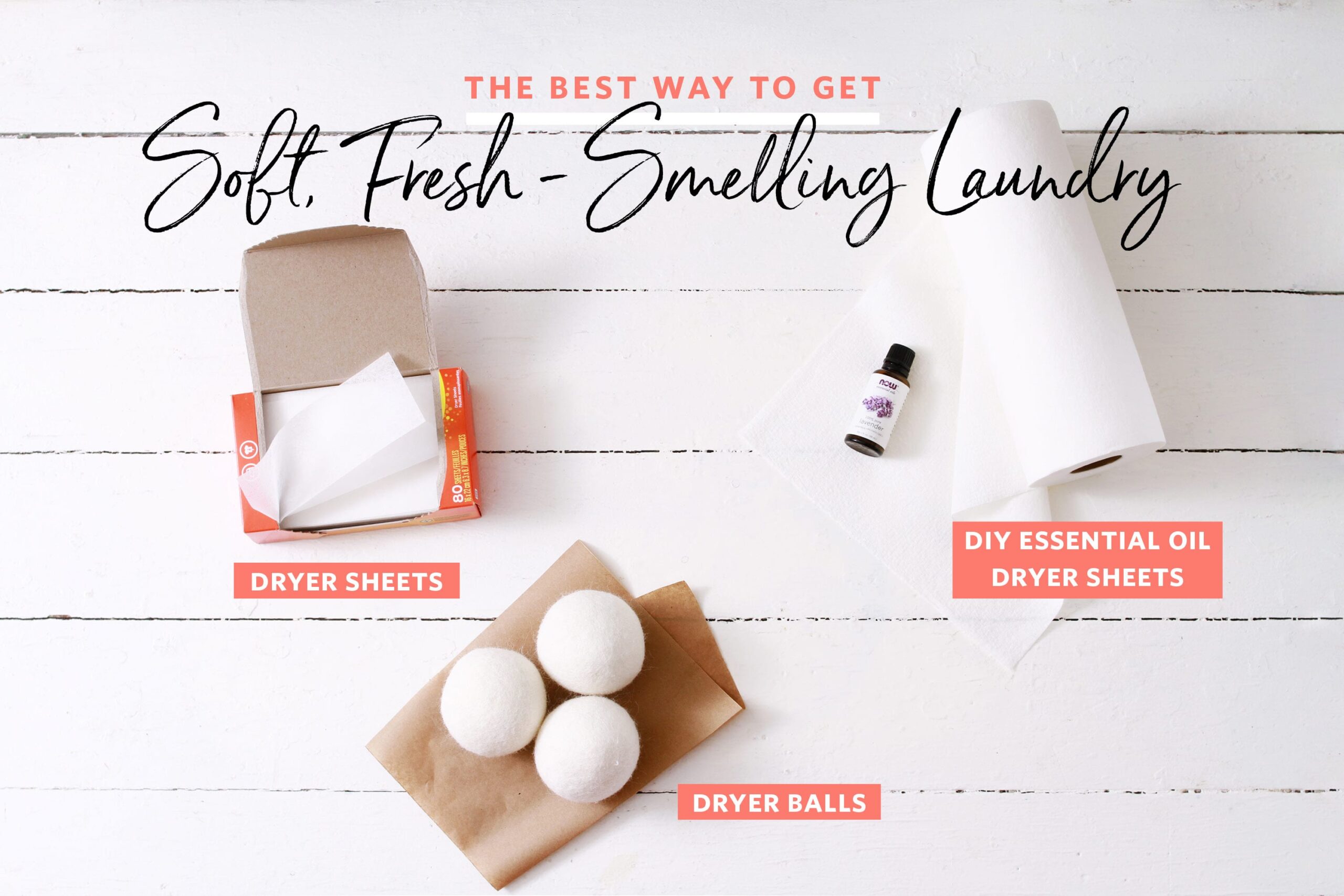
Wool dryer balls are simple in design: small, round spheres that tumble with your laundry to separate items, improve airflow, and shorten drying times. In practice, they act as physical spacers, creating space between fabrics so hot air can circulate more evenly. Because they are reusable, they generate little waste over time and typically have a long lifespan when cared for properly. In contrast, dryer sheets are thin, single-use sheets impregnated with conditioning agents, fragrances, and anti-static compounds. They are convenient, but each sheet contributes to waste and can leave residues on fabrics. Therefore, the primary differences boil down to waste generation, chemical exposure, and long-term costs. The sustainability impact is also shaped by how you wash, dry, and maintain your pieces over time. See how the lifecycle and usage patterns diverge, and you’ll have a clearer lens for decision-making. For a broader context on energy use in laundry, you can explore the Energy Star guide to clothes dryers at Energy Star’s guide to clothes dryers.
Foundational Sustainability Considerations
From a sustainability perspective, the question is not only what minimizes waste, but how each option fits into a circular mindset. Wool dryer balls are typically reusable for hundreds of loads, reducing plastic and paper waste. They also tend to be produced with natural fibers and fewer synthetic coatings, lowering the potential for chemical runoff into wastewater. Dryer sheets, while offering predictable static control and scent, create ongoing waste and can contribute to microplastic or chemical residue on fabrics. Therefore, when evaluating the environmental footprint, you should account for production energy, transportation, single-use disposal, and the potential need for fragrance additives that may affect indoor air quality. In addition, consider how you launder and dry items: higher-efficiency machines, lower temperatures, and longer but gentler cycles can dramatically shift outcomes for both wool balls and sheets.
Environmental Footprint: Material Lifecycles
The lifecycle of wool dryer balls typically includes raw wool, minor processing, and durable use over many cycles. The environmental cost is front-loaded but amortizes quickly across thousands of loads. Conversely, dryer sheets incur a recurring production footprint with every single-use sheet. If you are aiming for a lower overall footprint, the long-term view favors wool dryer balls, provided they are produced with ethical wool and minimal chemical treatments. Crucially, the choice also depends on how long you intend to keep your laundry setup and how rigorously you recycle or repurpose worn-out items.
Energy and Water Use in the Laundry Cycle
Energy use in laundry is a function of drying time and machine efficiency. Wool dryer balls can reduce drying time by improving air flow and reducing clumping, especially on high-load, breathable fabrics. Dryer sheets—while enabling quicker first-dry cycles in some cases—do not inherently save energy and may actually require longer drying times if they accumulate residue on fibers. Therefore, if your objective is energy efficiency, you should test both approaches in your own machine and environment to quantify the difference. Additionally, maintaining lint traps and using lower heat settings can amplify any gains from either option. For a broad energy perspective, see Energy Star’s reliability resources and tips for optimizing dryer performance.
Crucially, the compatibility of wool dryer balls and sheets with your laundry detergent, fabric type, and dryer model matters. In the next sections, we’ll compare performance specifics, practical usage, and cost considerations to help you pick with confidence.
Performance and Practicality: Drying Time, Softness, and Real-World Results
When assessing performance, the key questions are: Do wool dryer balls shorten drying times? Do sheets reliably reduce static and soften fabrics without buildup? And how do these outcomes vary by load size, fabric type, and dryer design? In short, wool dryer balls often deliver modest but meaningful improvements in air circulation, which can shave minutes off cycles on bulky or heavy fabrics. They also help prevent tangling, which reduces over-drying and fabric wear. For many households, this translates into longer garment life and more efficient energy use. Dryer sheets can provide a consistent static reduction and fragrance, but the benefits trade off against potential fabric residue and environmental impact. Therefore, the decision may hinge on fragrance sensitivity, allergy considerations, and whether you prefer non-chemical alternatives. To maximize outcomes, consider pairing wool dryer balls with a fragrance-free detergent and a dryer with good airflow design.
In addition, understanding fabric care is essential. For example, natural fibers may benefit more from space and airflow provided by wool balls, while synthetic blends can tolerate sheets with minimal residue. Transitioning to wool balls often requires an adjustment period: you may need slightly different loading techniques to optimize air gap and prevent fluttering. Over time, most users report consistent improvements in fluffiness, fewer wrinkles, and a more even dryness across fabrics. Therefore, track your loads for a few weeks to establish a baseline and then refine based on your results.
Drying Time and Wrinkle Reduction
Drying time is not solely dictated by the tool in use; it is also a function of the dryer’s efficiency, the fabric mix, and the chosen temperature. Wool dryer balls can contribute to faster drying by breaking up clumps and promoting circulation, especially on bulky towels and towels. This can translate into measurable energy savings over the long term. Drying sheets may prolong drying in some scenarios due to added moisture transfer or residue, but they can still help with static control and scent. Therefore, a practical approach is to run a small test cycle with both options on similar loads to compare results and choose what aligns with your schedule and energy goals.
Noise, Tangling, and Handling
One practical consideration is noise and tangling during operation. Wool dryer balls are silent little gamers that tumble alongside fabrics; most users report negligible added noise. However, if you are running early morning cycles, a loud, high-capacity dryer can amplify any soft thuds. Dryer sheets do not affect noise directly but can contribute to minor clumping when used in very large loads. In any case, proper loading—not overstuffing the drum and ensuring free movement—is critical to achieving consistent outcomes with either option.
Cost, Durability, and Maintenance
Cost analysis is essential for long-term decision-making. Wool dryer balls require a higher upfront investment but can last several years with proper care. The per-load cost often drops dramatically as you accumulate hundreds of loads before replacement is needed. Dryer sheets, by contrast, offer low upfront cost per pack but accumulate ongoing costs with every load. If you do the math, wool dryer balls frequently come out ahead over a multi-year horizon, especially for households with high laundry frequency or shared use across family members. Therefore, the decision should balance initial affordability, replacement cycles, and your tolerance for ongoing purchases. In addition, maintenance matters: wool balls benefit from periodic washing and air-drying to retain bounce and remove detergent buildup. Dryer sheets require no maintenance beyond disposal, but you should consider their environmental and fragrance impacts when choosing a supplier or brand.
Initial Investment vs Long-Term Savings
Consider your typical laundry load, frequency, and machine efficiency when estimating payback periods. A family of four running multiple daily cycles may recover the cost of wool dryer balls within a year or two, while single-load households might observe a longer payback window. Therefore, it is wise to calculate per-load costs using your actual detergent, water, and energy usage as well as the number of loads you expect per month. If you value durability and reduced waste, wool dryer balls emerge as a compelling long-term option.
Care, Replacement, and Reuse
Care for wool dryer balls is straightforward: air-dry after washing, avoid high heat that can shrink or pill them, and inspect for wear. Replacement is infrequent, typically only when the balls become misshapen or frayed. Dryer sheets, by contrast, require ongoing purchasing and careful recycling where possible to minimize environmental impact. Therefore, adopting a maintenance routine for wool balls—such as wiping clean and inspecting for loose fibers—helps maximize lifespan and sustain performance across seasons.
Safety, Allergies, and Household Considerations
Safety considerations include potential sensitivities to fragrances or chemical residues. Wool dryer balls are generally fragrance-free (unless you choose to scent them by using essential oils on the surface), which can be preferable for households with sensitive skin or allergies. Dryer sheets often contain fragrances and conditioning agents, which may irritate some individuals or interact with certain fabrics. Therefore, if someone in your home has skin sensitivity or asthma, wool dryer balls offer a lower-risk, fragrance-free alternative. In addition, ensure your dryer is well-ventilated and that lint traps are cleaned regularly to reduce fire risk and maintain efficiency. If you have concerns about allergy triggers from wool, seek high-quality, ethically processed wool and verify that the product is free from harsh chemical finishes at the source.
Myth-Busting and Practical Recommendations
Myth: Dryer sheets are always better for static control. Reality: In many cases, wool dryer balls with no additives can reduce static when paired with appropriate fabric loads and dryer settings. Myth: Wool balls wear out quickly. Reality: With proper care, high-quality wool balls can last for hundreds of loads; inspect for felted edges and replace as needed. Myth: Fragrances are essential for fresh laundry. Reality: Fresh laundry can come from natural processes such as airflow and proper drying without fragrances, which is ideal for sensitive households. Therefore, adopt a testing approach: run a few cycles with each option on similar loads, compare outcomes, and choose the method that best aligns with your values, energy goals, and fabric care standards.
Getting Started: Quick Start Guide for Your Sustainable Laundry
To help you begin, follow these steps: 1) Select a pair or set of wool dryer balls from a trusted supplier with ethical sourcing. 2) Run a baseline with your typical towels on a medium heat setting to gauge drying time and fluff level. 3) Compare results with and without fragrance-free dryer sheets, if fragrance is important, test one cycle with a small amount of fragrance-free soap and see how it feels. 4) Track energy use and fabric wear over a month to determine long-term value. 5) Maintain your dryer and lint filter to maximize efficiency. By starting small and measuring results, you’ll quickly reveal which option supports your sustainability goals and daily routine. In addition, note your household’s fragrance preferences and any sensitivities to tailor the choice accordingly.
Therefore, the foundation is clear: wool dryer balls offer a durable, low-waste approach with potential energy savings, while dryer sheets provide convenience and fragrance. Your next steps depend on your priorities—whether you value long-term sustainability, scent-free options, or quick, per-load simplicity. Next, we explore how to translate this foundational knowledge into an actionable plan for your specific home context in Part 2: Performance, Efficiency, and Real-World Outcomes of Wool Dryer Balls vs Sheets.
Core Comparison: Step-by-Step Use and Evaluation of Wool Dryer Balls vs Sheets
Wool dryer balls and dryer sheets offer different approaches to softening fabrics and reducing static. In this section, we walk through the exact steps you’ll take on a typical load and assess what happens at each stage. The goal is to give you a clear, practical framework for comparing wool dryer balls vs sheets in real-world laundry cycles. By the end, you’ll understand how each option affects time, energy, fabric care, and the overall footprint of a daily wash.
Wool Dryer Balls vs Sheets: Setup and Initial Preparation
With wool dryer balls, the setup is simple. Place the clean, slightly damp or dry load into the drum, then add 3 to 6 wool dryer balls depending on load size. They shuffle around, creating space between garments and improving air circulation. Because they are reusable, you won’t add any synthetic residues to the air or fabrics, which is a key advantage when chasing a simple, sustainable routine.
When you use dryer sheets, you’ll place one sheet in the drum or on top of the load, depending on your dryer model and the sheet’s instructions. The sheet releases conditioning agents and fragrance as the heat interacts with moisture. If you’re sensitive to fragrances or avoid additives, you may opt for fragrance-free sheets or skip them entirely. Either way, the setup is quick: load the clothes, start the cycle, and observe how the drum behaves with the chosen option.
Wool Dryer Balls vs Sheets: Step-by-Step Drying Cycle
For wool dryer balls, start the cycle as usual and monitor the tumbling. The balls compress and rebound, creating pockets of air that help fabrics dry more evenly. They also collide with fibers, which can reduce wrinkles over time and reduce static in many loads. If your clothes feel dry before the cycle ends, you can shorten the cycle by using a lower heat setting on compatible models or removing pieces that finish earlier.
When you use dryer sheets, the cycle proceeds as normal. The sheets leave a thin film on fabrics that helps reduce static and adds scent. However, the scent can linger beyond the dryer, and some people report skin sensitivity after repeated use. In some cycles, dryer sheets may cause slight stiffness or a waxy feel on certain fabrics, particularly with repeated use and lower-performance detergents. If you’re washing delicate fabrics or athletic wear, test a small sample to see how the sheets interact with the materials.
During the cooling phase, the wool balls remain in the drum, ensuring continued air movement and helping to prevent new wrinkles as you unload. Dryer sheets, if used, won’t impact the risk of wrinkling as the cycle ends, but they do not contribute to the same mechanical tumble action that wool balls provide for separation and circulation.
Wool Dryer Balls vs Sheets: Evaluation Metrics
To compare the two approaches, we focus on several real-world metrics. First is time: wool dryer balls can shorten drying times in some loads by promoting faster moisture evaporation through improved airflow. However, the effect varies with load size, material type, and dryer design. In contrast, dryer sheets do not change drying time directly, though their conditioning agents can affect fabric properties that influence drying performance over many cycles.
Next is energy use. If drying times shrink, energy consumption can drop. The net effect depends on your dryer’s efficiency and the balance of load moisture. In practice, small reductions can add up across many loads. If you live in a climate with high energy costs, the potential savings from using wool dryer balls vs sheets may be meaningful.
Cost per load is another critical factor. Wool dryer balls are a one-time purchase with long life, especially if cared for well. The per-load cost drops as you accumulate hundreds of cycles. Dryer sheets are inexpensive per sheet but require ongoing purchases. Over a year, the costs can tilt the comparison toward a higher long-term cost for sheets, particularly if you wash large families or frequent households.
Fabric care and longevity play a central role in the decision. Wool dryer balls are inert, with no additives that interact with fabrics. They can help reduce lint and promote a gentler tumble, which is beneficial for delicate fabrics over time. Dryer sheets introduce conditioning agents and, in some cases, residue. Some fabrics—especially those labeled “Dry Clean Only” or highly delicate—may not respond well to sheets. You should evaluate the care labels and do a small test to ensure compatibility.
Scent and freshness are also part of the equation. Dryer sheets provide immediate fragrance, which many users enjoy. People seeking a fragrance-free approach may prefer wool dryer balls or unscented accessories. Static reduction is another consideration. Dryer sheets typically offer strong anti-static properties, while wool dryer balls can reduce static through physical separation and airflow. In some cases, a hybrid approach works best, using wool dryer balls for tumble mechanics and fragrance-free options to minimize additives.
Allergen considerations are relevant for households with sensitive skin or chemical sensitivities. Wool is a natural material, and some users appreciate its simple composition. Some individuals may be sensitive to wool fibers if they shed or rub against the skin, though the risk is generally low. Dryer sheets may contain fragrances and chemical softeners that could irritate sensitive individuals. It’s prudent to test a sample or opt for fragrance-free products when sensitivity is a concern.
Static, moisture, and lint are practical aspects of daily laundry. Dryer sheets often excel at static control, especially in dry climates. Wool dryer balls reduce static indirectly by promoting separation, but results can vary with humidity and dryer design. In a humid climate, differences may be less noticeable. For mixed-load fabrics, you might find it useful to combine strategies or adjust settings to strike the right balance.
To help energy-conscious readers, we note that many reputable sources provide broader guidelines on energy-efficient laundry. For example, Energy Star offers general tips on optimizing washing and drying efficiency. You can explore their guidance here: Energy Star. This link is intended to supplement our comparison and reinforce a sustainable approach to laundry that aligns with wool dryer balls vs sheets strategies.
Wool Dryer Balls vs Sheets: Load Type Performance
Loads vary by fabric type, weight, and care instructions. Cotton towels and heavy bath linens benefit from the increased air space created by wool dryer balls, which can speed drying slightly and reduce overdrying that leads to fabric stiffness. In many households, towels emerge softer with wool balls, without the need for chemical softeners. Conversely, if you rely on sheets for scent or anti-static properties, towels might benefit more from the difference in finish when using sheets on a routine basis.
Delicates and synthetic fabrics require careful testing. Delicates can be more prone to pilling or friction when tumbled with wool dryer balls if the balls are too large for the load. So, you may want to use a smaller number of balls or opt for a lower heat setting on delicate cycles. Drying with sheets can be gentler for some delicates, but residue on fabrics could affect finish over time. For activewear, check care labels to ensure compatibility with any scenting agents or softeners and consider using fragrance-free sheets if you choose that option.
Heavier fabrics such as jeans also respond differently. Wool dryer balls help create space and airflow, which can reduce drying time. For loads with mixed fabrics, the goal is to balance the tumble action with the desired finish. This often means you’ll still need to adjust settings based on the load composition, regardless of whether you choose wool dryer balls vs sheets.
Wool Dryer Balls vs Sheets: Maintenance and Longevity
Wool dryer balls require minimal maintenance. After several dozen cycles, inspect them for wear and tear. If fibers become frayed or start to shed, it’s time to replace. Proper drying, avoiding extreme heat that can misshape the balls, can extend their life significantly. The absence of chemical residues means fewer surprises in fabrics, which is a benefit over repeated use of sheets that wear down, lose fragrance, and eventually require replacement due to exposure to the dryer environment.
Dryer sheets need ongoing replenishment. They can accumulate residue over time on drum walls, which some models may require periodic cleaning. If you notice buildup affecting the cycle, wipe down the drum and inspect the lint trap area regularly. If the fragrance or residue irritates you or a household member, you can switch to fragrance-free varieties or switch to wool dryer balls for a while to compare results.
In terms of environmental footprint, wool dryer balls have a longer lifecycle on average, assuming simple care and storage. A fully utilized set can last for hundreds of loads. Dryer sheets contribute to ongoing consumption and waste. If you prioritize minimal waste, wool dryer balls align with a sustainable home, while sheets contribute to ongoing packaging waste unless you opt for refillable or recyclable options.
Wool Dryer Balls vs Sheets: Safety, Health, and Environmental Considerations
Safety is important in every laundry decision. Wool dryer balls are generally safe and non-toxic when sourced from reputable producers. They should be kept away from children who might chew or play with them, and they should be kept out of reach of pets that may chew on natural fibers. It’s best to avoid exposing wool balls to high heat that might degrade the fibers, and check for wear to prevent fiber fragments from transferring to fabrics.
Fragrance-based dryer sheets introduce potential irritants. If anyone in the household has sensitive skin or respiratory issues, fragrance-free options reduce risk. The environmental impact also matters. Some dryer sheets are designed to be biodegradable, while others are not. Consider the full life cycle of the product when thinking about sustainability, including packaging and production methods.
Wool is a renewable resource, and reputable suppliers emphasize cruelty-free and sustainable practices. By contrast, the continuous production of dryer sheets adds ongoing waste, packaging, and energy use. Deciding between wool dryer balls vs sheets often comes down to a balance between immediate comfort, fragrance preferences, and long-term resource use. If you want a deeper dive into sustainable textile care, consult reputable sources that outline best practices for household textiles and materials.
Wool Dryer Balls vs Sheets: Practical Tips and Pitfalls
A practical tip for maximizing performance is to monitor the load and adjust the number of balls or the sheet usage as you observe results. If a load dries quickly, you may reduce the number of balls to avoid over-tumbling. Conversely, for a very dense or large load, adding another ball can improve air circulation. For dryer sheets, use the smallest practical amount to achieve the desired fragrance and static control and consider fragrance-free sheets if sensitivities are a concern.
A common pitfall is assuming one-size-fits-all. The effectiveness of wool dryer balls vs sheets depends on your dryer model, load size, and fabric types. Gauge your outcomes over several cycles before making a long-term switch. Finally, keep an eye on the drum and lint filter after drying; residues from sheets can accumulate and alter performance in a way that affects future loads.
Wool Dryer Balls vs Sheets: Summary of Key Findings
In short, wool dryer balls offer a reusable, low-residue approach that may shorten drying times and reduce wrinkles across many loads. They emphasize sustainable living, which aligns with a toxin-minimizing approach and a simple, eco-friendly home routine. Dryer sheets provide fragrance, static control, and ease of use, but they come with ongoing cost and potential fabric interaction. Every household should test both options in real cycles to determine what maximizes comfort, efficiency, and fabric care for their specific wardrobe.
As a next step, in Part 3 we will present Practical Recommendations and a Final Verdict on Wool Dryer Balls vs Sheets, helping you tailor your choice to your lifestyle and laundry pattern. Look forward to Part 3: Practical Recommendations and Final Verdict on Wool Dryer Balls vs Sheets.
Advanced strategies and final guidance on wool dryer balls vs sheets
In this final, action-oriented section, you will find practical deployment strategies, a clear decision framework, and nuanced guidance to help you optimize every load. The goal is to turn the wool dryer balls vs sheets debate into a repeatable, data-informed routine that aligns with EcoOrderly’s mission: simple systems for a sustainable home. The guidance here reflects real-world usage in 2026, accounting for a range of fabrics, dryer models, and household priorities.
Performance blueprint: wool dryer balls vs sheets in practice for real loads
To maximize efficiency, treat each load category as a separate test case. Start with a baseline: a typical cotton or linen load on a standard warm-dry cycle, then apply wool dryer balls to reduce tumble complexity and time. If you use dryer sheets, choose unscented or biodegradable options to minimize chemical residues on fabrics and in the lint trap. Across many households, wool dryer balls have been observed to reduce drying time by a modest but meaningful margin, often in the 10–25% range, depending on load size, fabric type, and dryer efficiency. It is not a universal accelerant, but when paired with mindful settings, the impact compounds across multiple loads.
Key practical takeaways for this section include:
- Fabric type matters. Heavier towels and denser cotton blends typically benefit most from reduced mechanical tumbling when using wool dryer balls. Lighter synthetics may benefit from carefully tuned cycle lengths rather than a large time reduction.
- Load size and distribution. Seven to ten towels or jeans, spaced evenly with the balls, often yield more even drying than one oversized item. If the dryer is near capacity, the balls help air circulate without overpacking.
- Sensor behavior. Some modern dryers use moisture sensors that may shorten cycles when they detect dryness quickly. If you rely on sensor-based stops, monitor the first few runs to build a reliable expectation window.
- Static and scent considerations. Wool dryer balls reduce static for many loads, though synthetic fabrics can occasionally surface remaining static. If static persists, consider one low-scent, non-phosphated sheet or a single tumble on a cool cycle without over-drying.
In practice, a layered approach works best: use wool dryer balls for routine loads, and reserve a sparse use of a mild dryer sheet for stubborn static on specific synthetic blends. This preserves fabric integrity, reduces chemical exposure, and maintains a favorable energy profile. For further practical insights, see this external guide on using wool dryer balls effectively: The Spruce guide.
Cost and maintenance trajectory: wool dryer balls vs sheets over time
Understanding total cost of ownership helps separate hype from value. Wool dryer balls typically have a higher upfront cost than a small box of conventional dryer sheets. A typical set of wool dryer balls ranges from about $15 to $40, depending on material quality and the number of balls included. A standard container of dryer sheets may cost $3 to $8 and lasts for a handful of loads, depending on the brand and load size. The key economic question is: how many loads does a set of wool dryer balls realistically cover before replacement is advisable?
When evaluating long-term savings, consider these factors:
- Durability and lifespan. Quality wool dryer balls can last for several years with proper care. If you wash fabrics regularly, inspect the balls at least quarterly for fiber wear, unraveling, or odor buildup. Damaged balls should be retired to avoid lint contamination or reduced effectiveness.
- Replacement frequency. Unlike dryer sheets, which are consumables for short-term use, wool dryer balls are a one-time purchase per household. The cost-per-load rapidly decreases as the balls accumulate more cycles, especially for households that run multiple loads daily.
- Energy vs. material costs. While wool balls may not dramatically shorten every cycle, the energy savings from reduced drying times compound across dozens or hundreds of loads over a year. Combine this with longer fabric lifespans and reduced chemical exposure to boost overall value.
- Maintenance cost. Occasional washing of the wool balls is recommended to remove lint or odors. A simple monthly wash is typically sufficient and inexpensive compared to ongoing purchases of sheets.
For households aiming to optimize price-to-performance, the practical approach is to pilot wool dryer balls for 6–8 weeks and compare the total energy use and fabric longevity against a similar period using conventional sheets. If the savings hold steady, the break-even point can be reached quickly, especially in dense laundry routines. If your dryer model runs particularly efficiently with shorter cycles, the marginal benefit of wool dryer balls may be smaller, but the environmental benefits and reduced chemical exposure remain meaningful.
Environmental footprint and lifecycle analysis: wool dryer balls vs sheets across the lifecycle
Environmental considerations extend beyond energy use. Wool is a natural, biodegradable material, assuming it is responsibly sourced. In contrast, most conventional dryer sheets contain synthetic components and add to waste streams through single-use packaging. A lifecycle perspective includes raw material extraction, manufacturing energy, transportation, use-phase emissions, and end-of-life disposal.
Key points to weigh:
- Raw materials. Wool is renewable and compostable, but the environmental benefit depends on the wool’s source, dyeing process, and transport emissions. Biobased or recycled wool options can improve the overall footprint. Dryer sheets rely on synthetic surfactants and plastic packaging, contributing to microplastics and waste.
- Manufacturing and energy intensity. Wool dryer balls require energy to coil and cure, but a small number of balls can serve for thousands of loads. Dryer sheets are manufactured in larger volumes, with ongoing production and packaging costs per load.
- End-of-life. Wool dryer balls, after many years of use, can be composted or reused as general fiber fill, depending on local guidelines. Dryer sheets, if not recycled, contribute to landfill mass and may require special disposal if they are heavily fragranced or chemically treated.
- Air quality and residue. Wool balls typically leave little to no residue on clothing, reducing the potential for indoor air contamination. Dryer sheets can leave residues that some individuals prefer to avoid, particularly on sensitive skin or if households are trying to minimize chemical exposure.
In evaluating environmental impact, many households find that wool dryer balls offer a cleaner lifecycle profile when sourced ethically and maintained properly. For those seeking more science-based comparisons, consider reviewing energy and material lifecycle resources at reputable environmental information hubs.
Care, maintenance, and troubleshooting for sustained performance
Durable performance hinges on simple maintenance routines. Following best practices can extend the life of wool dryer balls and preserve their effectiveness, while helping to avoid unnecessary static or lint issues.
Maintenance guidelines include:
- Regular inspection. Check for fraying or loss of shape every few months. If the balls start to unravel or crumble, replace them to prevent fabric shedding or clumping inside the drum.
- Lint management. Clean the lint screen and trap after every few loads to prevent buildup that can impede airflow. If lint cling appears on fabrics, reduce loading size or add a single ball to improve air circulation.
- Odor control. If wool dryer balls develop musty smells, wash them by hand or in a gentle laundry cycle with a small amount of mild detergent, then air-dry completely before reuse. Avoid high heat that can shrink or damage fibers.
- Rotation strategy. Rotate balls to ensure even wear; avoid piling them into specific sections of the drum that could lead to uneven drying or wear patterns on fabrics.
Safety considerations are straightforward. Do not substitute wool dryer balls with unfamiliar hard objects in the drum. Keep them away from heat sources or open flames, and store in a dry place when not in use. If any ball begins to shed fibers, remove it promptly to avoid lint accumulation in the dryer vents.
Advanced integration: combining strategies for best results with wool dryer balls vs sheets
For households seeking peak efficiency without sacrificing fabric care, an integrated approach can deliver the best of both worlds. Consider the following framework:
- Baseline routine with wool dryer balls. Use a standard set of 3–6 wool dryer balls for most loads. They promote better air circulation, reduce line-drying dependence, and help shorten cycle times.
- Selective use of dryer sheets. Reserve unscented or biodegradable sheets for stubborn static on specific synthetic blends or when a fragrance preference is desired. Use sparingly to minimize residue and maintain the environmental benefits of wool balls.
- Fabric-specific adaptations. For heavy towels and denim, increase the number of balls or adjust the cycle length slightly. For delicate fabrics, consider a shorter cycle and lighter loading to protect fibers while still leveraging the benefits of wool balls.
- Dryer efficiency adjustments. When possible, tune dryer settings to your climate and airflow. In high-humidity environments, wool balls can help maintain airflow and prevent overdrying, while in drier climates, you may see even more pronounced cycle time reductions.
- Monitoring and optimization. Track your energy usage across several cycles with and without sheets. Record dryness outcomes, fabric feel, and any static issues. Over time, you’ll establish a personal benchmark that guides future decisions.
Ultimately, the best strategy blends performance, cost, and environmental considerations into a repeatable system. By combining wool dryer balls with targeted, minimal use of sheets, households can achieve efficient drying, softer fabrics, and lower environmental impact without sacrificing comfort or convenience.
Final decision framework: when to choose wool dryer balls vs sheets for your home
To conclude, ask these questions before selecting. What is my primary objective—drying speed, fabric care, cost savings, or minimizing chemicals? How does my dryer model respond to wool balls versus sheets? What load types dominate my weekly laundry, and how sensitive are my household members to fragrance or additives? If your aim is a sustainable, low-chemical routine with energy-conscious outcomes, starting with wool dryer balls and using a guarded amount of sheets only when static or fragrance needs arise is a practical, scalable approach. If you prioritize ultra-fast drying in highly loaded batches and prefer a scented finish, a cautious mix of strategies may be warranted. The key is consistency: adopt a routine, measure results, and iterate.
For a concise, practical reference on how to implement wool dryer balls effectively, consult the trusted external guide linked above.
In summary, the choice between wool dryer balls vs sheets is not binary. It is an adaptive system that leverages the strengths of both options, tuned to your family’s needs, dryer efficiency, and environmental commitments. By following the strategies outlined here, you can optimize performance, reduce waste, and enjoy better laundry outcomes with fewer resources. Ultimately, your sustainable laundry journey becomes clearer, simpler, and more impactful over time.
Conclusion: Embracing a smart, evidence-based approach to wool dryer balls vs sheets helps you minimize energy use, protect fabrics, and cut waste. By applying the performance blueprint, cost and maintenance framework, lifecycle awareness, and integrated strategies outlined in this Part 3, you are well-equipped to decide what works best for your home. Start with a measured pilot, track results, and refine your routine until you reach a repeatable, sustainable process. Remember the core message: wool dryer balls vs sheets can coexist in a thoughtfully designed system that prioritizes efficiency, economy, and the environment. Ready to optimize your laundry today? Explore your options, test your loads, and move toward a streamlined, greener routine with confidence.