Welcome to Capsule Wardrobe 2026 Foundations for Quiet Luxury and Sustainable Living. This guide unfolds a practical path to dressing well with less, anchored in longevity and care. The Quiet Luxury aesthetic leans into flawless construction, natural fabrics, and minimal branding, delivering an elevated feel without shouting style. The capsule wardrobe 2026 approach blends minimalism with modern wearability, ensuring your daily rotation covers work, weekends, and special occasions with a single, cohesive palette. In 2026, sustainable fashion means more than recycled fibers; it’s about responsible sourcing, durable design, and lifelong use. We’ll translate these principles into actionable steps you can apply now: assess what you own, define color stories, set a practical capsule size, and plan for seasonality without churn. By focusing on quality over quantity and intelligent wardrobe architecture, you’ll reduce waste, save time, and elevate everyday comfort. This introduction primes you for a year of confident, eco-conscious dressing that respects both personal taste and the planet.
Capsule Wardrobe 2026 Foundations for Quiet Luxury and Sustainable Living
Capsule Wardrobe 2026 Foundational Principles
The capsule wardrobe 2026 is a framework for intelligent, low‑waste design. It begins with a realistic assessment of climate, lifestyle, and existing pieces. Therefore, you define a core color story that travels across seasons and pairs easily with both tailored and casual silhouettes. The aim is a small, cohesive set that can mix and match across occasions, reducing decision fatigue and waste. In addition, the foundation includes a practical capsule size—often 30 to 40 pieces, including shoes and accessories—worked out from your calendar year and storage constraints. The result is freedom: fewer choices, more confidence, and a wardrobe that respects the planet while accommodating diverse days.
- Assess climate, work patterns, and social calendars to calibrate your capsule size.
- Define a single, cohesive color story that traverses seasons.
- Choose versatile silhouettes that mix with one another and stay relevant over time.
- Prioritize durable construction and timeless tailoring over trend-driven pieces.
- Plan for seasonal edits rather than wholesale replacements.
Crucially, this foundation emphasizes thoughtful curation over accumulation. The aim is to reduce decision fatigue while increasing daily satisfaction. In addition, a well‑designed capsule supports quiet luxury by focusing on fit, drape, and presence. The result is a wardrobe that feels intentional, not crowded, and that adapts to changing weather and occasions with ease.
Capsule Wardrobe 2026 Quality Benchmarks
Quality over quantity is not a marketing slogan; it is a practical standard. Look for fabrics with integrity—dense weaves, smooth surfaces, and robust weight for the season. Check stitching at stress points, inspect seams, and test how fabrics behave when bent or moved. Draped garments should hang cleanly without pulling lines; tailored pieces must hold their shape through a day’s activity. When building your capsule wardrobe 2026, select a handful of anchor items that set the tone for the entire rotation. A well-made blazer, a durable pair of trousers, a dependable coat, and a versatile knit are enough to anchor most outfits for years. Reserve the rest for layering, color coordination, and occasional updates. This approach sustains a high-end feel while preserving environmental values and budgetary discipline.
Additionally, consider care requirements as a measure of durability. Pieces that shrink, pill easily, or require frequent professional care undermine longevity. Favor garments designed for professional upkeep, easy repairs, and simple mending. With the right care plan, your capsule wardrobe 2026 can remain elegant through many seasons, aligning with eco‑friendly ethics and quiet luxury standards.
Capsule Wardrobe 2026 Color and Fabric Palette
A successful capsule wardrobe 2026 rests on a breathable, adaptable palette. Start with neutrals like ivory, taupe, charcoal, and black, then layer in 1–2 seasonally friendly accents such as deep olive or slate blue. Textures matter: matte wool, soft cotton, ecru linen, and recycled-fiber blends add depth without introducing noise. The color story should be versatile enough to pair with multiple outfits, while still allowing you to express quiet personality through accessories. When choosing fabrics, prioritize durability and care requirements. Natural fibers like organic cotton and responsibly sourced wool offer longevity, while innovative blends such as TENCEL or recycled-polyester reduce environmental impact. The aim is color harmony across the rotation so you can mix and match without constantly restocking. For further context on sustainability in fashion, see the UN guidance on sustainable consumption and production: the UN Sustainable Development page on consumption and production.
Capsule Wardrobe 2026 Care, Longevity, and Ethical Sourcing
Care and longevity are the twin engines of a capsule wardrobe 2026. Establish a simple care routine: wash less often, choose gentle cycles, air‑dry when possible, and store off‑season pieces properly. Mend small issues promptly; a simple repair can extend a garment’s life for years. Ethical sourcing matters too: when you buy, request transparency in fabric origin, factory conditions, and certification. Keep receipts and care labels and revisit your rotation seasonally to identify pieces that aren’t aligned with your standards. In addition, consider repairing or repurposing worn items or donating those that still hold value to extend their useful life for someone else. The goal is to cultivate a closet you love and that respects the planet, not merely to chase newness. For broader context on sustainable production, you can explore resources from reputable organizations such as the UN Sustainable Development site: the UN Sustainable Development page on consumption and production.
Crucially, this foundation sets you up for practical step-by-step guidance in Part 2. In Part 2: Core Pieces and Capsule Architecture, we explore core garments, fabrics, and color stories that bring Capsule Wardrobe 2026 to life.
Capsule Wardrobe 2026 Step-by-Step Assembly and Maintenance
In this phase of Capsule Wardrobe 2026, we move from conceptual planning to a concrete, repeatable system. The goal is to assemble a collection that is versatile, durable, and aligned with quiet luxury aesthetics. You will learn to map your wardrobe to your calendar, your climate, and your values, so that every item earns its place and every outfit feels considered. The steps that follow build a living, breathing capsule that evolves with you across the year and seasons in 2026.
By applying the process described here, you will minimize decision fatigue, maximize fabric longevity, and reduce waste. The approach centers on high-quality fabrics, precise tailoring, and mindful consumption. In particular, your capsule wardrobe 2026 should be easy to mix and match, appropriate for professional settings and personal moments, and resilient in the face of changing seasons while maintaining understated luxury.
Step 1: Define Your Capsule Wardrobe 2026 Goals
Begin by articulating your lifestyle needs for 2026. Consider work, travel, family, hobbies, and social commitments. Your target is a cohesive capsule wardrobe 2026 that covers at least ninety percent of your daily outfits with a small number of accessories for variety. Specifically, define non-negotiables: tailoring quality, fabric sustainability, color harmony, and ease of maintenance. Clarify what quiet luxury means for you in 2026: unobtrusive branding, timeless silhouettes, and refined textures that communicate taste without shouting. Create a mental map of your typical weeks and occasions, noting times you are on camera, in client meetings, or relaxing on weekends. Name the climate zones you experience most, and plan accordingly. This upfront clarity ensures that every piece you keep or buy serves a real function and contributes to your overall capsule wardrobe 2026.
Additionally, set a simple measurement of success. For example, aim to reduce closet clutter by a specific percentage, or to achieve a defined outfit completion rate on workdays. The key is to make the goals tangible, so you can review progress in a practical way. If you track your usage, you will quickly see which items truly earn their place in capsule wardrobe 2026 and which should be retired or reimagined.
Step 2: Conduct a Thorough Wardrobe Audit for Capsule Wardrobe 2026
In this step, you take stock of every garment and accessory in your closet. First, pull everything out and lay it in categories that reflect function: workwear, casualwear, activewear, occasionwear, and seasonal pieces. There is value in tones and textures, so group items by color family and fabric weight as you review them. Next, assess fit and condition with a critical eye. If an item no longer flatters your shape, or shows signs of wear that cannot be repaired, set it aside for donation or recycling. Specifically, separate items into three outcomes: core pieces that stay, rotation items that can be used with care, and items to let go. As you decide, consider whether each item can be integrated into capsule wardrobe 2026 or if it creates clutter instead of clarity. When in doubt, adopt the rule that anything that has not been worn in the last twelve months should be re-evaluated thoughtfully.
To keep the process humane and efficient, photograph the items as you sort. This creates a digital record you can reference when you plan outfits, and it helps you notice gaps you may have missed. Finally, create a one-page capsule plan that lists your core items for capsule wardrobe 2026, plus the essential accessories that will support daily outfits. This audit is the foundation for long-term clarity and sustainable practice.
Step 3: Build Your Capsule Color Palette for 2026
The palette anchors your capsule wardrobe 2026, ensuring that everything you own plays well with the rest. Start with four to six neutrals that suit your skin tone and wardrobe context—think black, navy, charcoal, taupe, ivory, or camel. Then add one or two muted accent colors that brighten outfits without shouting. In quiet luxury terms, texture and tonal variation matter more than loud color. Specifically, choose hues that you can mix and match across garments, accessories, and outerwear. If you own an item that already anchors many outfits, keep it as your palette compass. Alternatively, test new neutrals against your established pieces before committing to a full color reorientation for capsule wardrobe 2026. The goal is cohesion, not constant novelty.
One practical method is to create a tiny card with color swatches and label each shade with the kinds of outfits it will support. Then, in the following weeks, challenge yourself to build outfits solely from items that align with the palette for capsule wardrobe 2026. This exercise reinforces discipline and reduces the risk of impulse purchases that complicate your wardrobe’s symmetry.
Step 4: Select Core Capsule Pieces for Capsule Wardrobe 2026
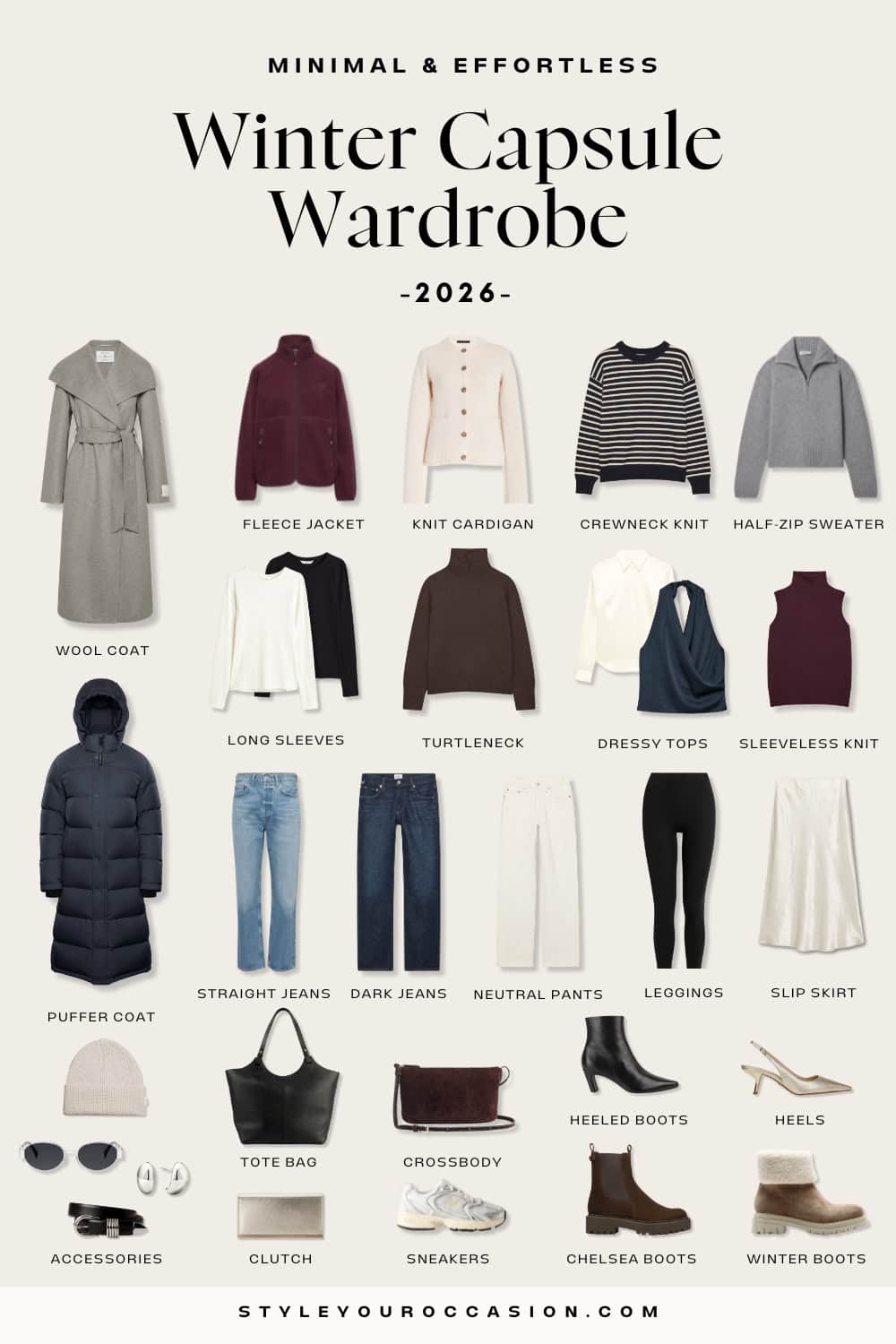
With goals, audit outcomes, and palette in place, you are ready to assemble core items that define your capsule wardrobe 2026. Prioritize timeless silhouettes that flatter your body and align with your climate. For tops, aim for a balanced mix of crisp shirts, fine knit tops, and one or two refined blouses that can cross between work and social events. For bottoms, emphasize clean lines, a small number of well-cut trousers, and at least one versatile skirt that can pair with multiple tops. Outerwear should include a dependable coat or jacket in a color that anchors your palette, plus a lighter layer for transitional weather. Shoes should be comfortable enough for daily wear, with a single dress option for formal occasions and practical everyday options for different weather. Accessories, including belts and scarves, should enhance outfits without overpowering them. In sum, your capsule wardrobe 2026 should revolve around a core of cohesive, high-quality pieces that mix and match with ease, while staying true to the quiet luxury ethos of subtle detail and refined materials.
Remember that quantity should not trump quality. If you find that a piece does not serve two or more daily outfits, consider removing it to preserve clarity within capsule wardrobe 2026. Establish a minimum standard for fabric, stitching, and fit. For example, prioritize natural fibers with good drape, stable construction, and minimal pilling. When you make purchases, insist on generous weaves, even seams, and reliable colorfastness to prolong the life of your capsule wardrobe 2026.
Step 5: Fit, Alterations, and Tailoring Your Capsule Wardrobe 2026
Even the best fabrics lose their impact if they do not fit well. Therefore, allocate a portion of your budget to tailoring and alterations that keep your capsule wardrobe 2026 looking polished. Start with your most-worn pieces and ensure they fit right in the shoulders, chest, waist, and sleeve length. For trousers and skirts, check the hem length and seat shaping. A modest tailoring job can dramatically extend the usability of a garment and reduce the desire to replace it. Specifically, ask for subtle alterations that preserve the garment’s clean lines and avoid heavy changes that alter the design language of a piece. If you are new to tailoring, prioritize a short list of trusted local tailors who can handle delicate fabrics and fine details. Take notes and photograph the before-and-after results to help you replicate alterations on future purchases for capsule wardrobe 2026.
Consider whether a tailoring cost is justified by the garment’s price and wear rate. For high-value pieces, investing in professional tailoring is often worthwhile. For more affordable items, weigh the cost of alterations against replacement. In either case, maintain a record of alterations in a simple wardrobe log to track what works for capsule wardrobe 2026 and what does not. This process not only improves fit but also reinforces the discipline of thoughtful consumption.
Step 6: Maintenance Routines for Capsule Wardrobe 2026
Maintenance is the invisible backbone of a capsule wardrobe 2026. It ensures longevity and preserves the quiet luxury feel. Create a simple weekly routine that includes unhurried washing or dry cleaning according to care labels, air drying when possible, and regular fabric brushing to remove lint. Specifically, handle delicate fabrics with extra care and separate them from rough textures that can cause pilling. Implement a monthly care check to inspect seams, zippers, and buttons, repairing weak points before they fail. In addition, document any minor repairs you perform so you can replicate helpful fixes in the future and reduce waste associated with careless replacements. For color and fabrics that fade, rotate garments to ensure even wear, and reserve a few pieces for seasonal storage so nothing becomes a uniform shade of wear.
Additionally, build a gentle cleaning routine that respects the environment. Use eco-friendly detergents, wash in cold water when possible, and air dry rather than machine dry to minimize energy use. These small choices add up over the course of a year and support capsule wardrobe 2026’s overall ethos of sustainability and understated luxury.
Step 7: Seasonal Rotation and Storage for Capsule Wardrobe 2026
Seasonal rotation keeps your capsule wardrobe 2026 fresh without clutter. Begin by evaluating which items belong to the current season and which can be safely stored for several months. Store out-of-season pieces in breathable garment bags or bins that protect fabrics from dust and light while allowing air to circulate. Specifically, label these containers by season and color family to speed future retrieval. When you rotate, bring forward a few pieces that can coordinate with your core items, creating a new set of outfits from existing assets. Implement a simple staging process: try on outfits, test them against your color palette, and confirm that you can assemble complete looks quickly for capsule wardrobe 2026. This habit reduces decision fatigue and keeps your wardrobe coherent year-round.
In addition to storage, address climate control in your closet. Humidity and heat accelerate deterioration in natural fibers. Use moisture absorbers or dehumidifiers where necessary, and avoid hanging heavy wool in crowded spaces where friction can cause pilling. A well-managed closet supports the longevity of capsule wardrobe 2026 and helps you maintain a calm, orderly space that reflects eco-friendly values.
Step 8: Care Instructions to Preserve Capsule Wardrobe 2026
Care labels are your roadmap to long life for each piece in capsule wardrobe 2026. Read them carefully and respect recommended temperatures, wash cycles, and drying methods. Specifically, different fabrics demand different handling. For wool and cashmere, consider hand washing or dry cleaning sparingly and lay flat to dry to maintain shape. For silk, minimize agitation and avoid harsh detergents that can dull luster. For cotton and linen, a gentle machine wash in cold water and air drying usually works well. When in doubt, test a small area. Additionally, address shedding and pilling early with a fabric shaver or mild pilling comb so affected items stay presentable across many seasons of capsule wardrobe 2026. Finally, schedule a quarterly refresh of your footwear and outerwear to preserve structure and support your overall silhouette.
Step 9: Sustainable Shopping and Upcycling in Capsule Wardrobe 2026
Shopping intentionally strengthens your capsule wardrobe 2026 and reduces waste. Before purchasing, revisit your capsule plan and ask whether the item fills a real gap or merely adds novelty. Favor quality over quantity, choose fabrics with longevity, and prioritize brands that share your values. Specifically, explore secondhand options, rental services for occasionwear, and upcycling opportunities that extend the life of existing garments. When you decide to buy, set a strict budget and a minimum standard for fabric, stitching, and finish. For sourcing inspiration and guidelines, consider industry standards from reputable bodies such as the Better Cotton Initiative.
In addition, practice mindful disposal. Recycle or donate items that no longer fit your capsule, and look for local textile recycling programs that accept worn fabrics. This approach aligns with ecoorderly principles and ensures your Capsule Wardrobe 2026 remains lean, elegant, and kind to the planet.
Step 10: Ongoing Review, Metrics, and Evolution of Capsule Wardrobe 2026
Finally, establish a regular review cadence for your capsule wardrobe 2026. Set a monthly check-in to verify fit, condition, and alignment with your goals. Specifically, track wear frequency, note gaps that emerge, and adjust shopping plans accordingly. If you notice persistent over- or under-wear, refine your core pieces or add a strategic new item that truly completes outfits for capsule wardrobe 2026. Use photos, a simple spreadsheet, or a wardrobe app to visualize how items pair across different contexts and seasons. The aim is a living system that adapts with your body, climate changes, and evolving style, while preserving the quiet luxury appeal you seek in capsule wardrobe 2026. Finally, celebrate small wins: a week of fully satisfying outfits without decision fatigue is a clear signal that your system works.
In Part 3, we explore Styling Strategies and Outfit Formulas to maximize the impact of your Capsule Wardrobe 2026, ensuring your carefully assembled pieces translate into effortless, elegant looks.
Advanced Capsule Wardrobe 2026: Scaling, Variations, and Future Planning
Scaling a capsule wardrobe in 2026 is not about pushing more pieces into a closet; it is about expanding thoughtfully so that every item earns its place. The concept remains rooted in simplicity, cohesion, and longevity, but practical realities–travel, hybrid work, climate variability, and the demand for timeless style–require a deliberate growth strategy. In this section, we explore how to scale your capsule wardrobe 2026-style: how to extend your core set without sacrificing the system, how to create reliable variations for different contexts, and how to future-proof your closet through sustainable practices and smart planning.
Ultimately, the goal is to grow in a way that preserves the core benefits of a capsule: clear color stories, versatile silhouettes, and high garment quality that delivers more wear per dollar. Begin by mapping your current core pieces to ensure every addition will plug into the same narrative. Then, expand through deliberate layers—seasonal accents, purpose-built capsules for travel, and occasional pieces that align with your palette and fabric families. By maintaining thread counts of color, texture, fit, and care needs, you can scale confidently without drifting into wardrobe clutter.
To translate this into action, consider a staged growth plan. Phase one emphasizes strengthening the core and validating fit across seasons. Phase two adds controlled variations for work environments, weekends, and travel. Phase three uses a long-range calendar to anticipate needs for upcoming seasons. This approach keeps the capsule wardrobe 2026 practical, adaptable, and aligned with your life as it evolves.
Scaling Your Capsule Wardrobe in 2026: Core, Layers, and Cohesion
Scaling begins with a solid core. The core is the backbone that keeps the entire system coherent as you grow. In 2026, your core should cover essential categories—tops, bottoms, outerwear, footwear, and accessories—in a color story that you love and that suits your climate and activities. The objective is not to own every possibility, but to ensure that every new piece has multiple pairing options with existing items. This approach creates more outfit combinations with fewer decisions and less waste.
Next, layer with intention. Add layers that extend the usability of your core without duplicating function. For example, if you already own a classic blazer and a high-quality knit, introduce a textured cardigan in a complementary shade, a versatile utility jacket, and a tailored vest that can transform casual outfits into work-ready looks. Each layer should share fabrics or color harmonies with existing pieces so that you can mix and match with confidence. The layering strategy reduces decision fatigue and strengthens outfit coherence, which is essential for maintaining a streamlined capsule wardrobe 2026.
Fabric families matter when scaling. Group pieces by fabric families such as wool, cotton, linen, silk, and sustainable blends. This organization helps with care planning, reduces laundry stress, and simplifies seasonal rotation. When you add new items, consider whether the fabric complements your current materials rather than introducing a completely new upkeep regime. A coherent fabric ecosystem makes scaling predictable and repeatable, supporting durability and long-term value.
Quantity matters, but quality matters more. A common pitfall is chasing quantity in the name of flexibility. Instead, quantify by purpose: how many go-to tops, how many work-ready bottoms, how many outer layers for cold months, and how many travel-neutral pieces. For each category, aim for a balanced distribution that matches your calendar. This results in fewer decision points and more outfit confidence, which is a central benefit of the capsule wardrobe 2026 approach.
Budgeting for scale requires a plan. Allocate a dedicated fund for strategic upgrades, rather than impulsive buys. Prioritize pieces that solve multiple needs, such as a versatile midi dress that can be dressed up for events or pared down for daily wear. When possible, invest in timeless silhouettes and higher-quality fabrics that resist wear and washing stress. The payoff is reduced replacement costs over time and a lower total cost per wear, which aligns with sustainable fashion goals.
In practice, your scaling roadmap might look like this: establishing a robust core of 25–40 items (including tops, bottoms, outerwear, dresses, and shoes), then adding 8–12 strategic layers and 2–4 travel-specific or occasion-focused pieces per season. The exact numbers depend on your lifestyle, climate, and professional demands. The key is to maintain a cohesive color story and fabric ecosystem so every new piece feels intentional and wearable across multiple contexts. This disciplined scaling ensures that your capsule wardrobe 2026 remains lean, functional, and stylish.
Variations for Different Lifestyles, Environments, and Events
One of the most valuable aspects of advanced capsule planning is building reliable variations that adapt to changing life circumstances. Variations are not about clutter; they are about modular flexibility—creating outfit kits that work across settings while protecting the core aesthetic. In 2026, you may juggle a hybrid workweek, frequent travel, and varying social calendars. Variations address these realities without breaking the capsule’s unity.
For the office and professional settings, variations can include a few refined blouses or knit tops, a select set of dressy but comfortable trousers, and a blazer or tailored jacket that elevates any outfit. Pair these with your core palette so that a single top or bottom can pair with multiple options. The goal is to assemble 3–4 distinct office-ready combinations that you can rotate through with minimal thought, reducing decision fatigue and increasing efficiency. This strategy supports a streamlined workflow for capsule wardrobe 2026 while preserving polish and professionalism.
For casual weekends and social events, consider variations built around fabric texture and color depth rather than quantity. A soft-washed denim, a neutral knit, and a midi dress in a versatile base shade can be dressed up or down with different layers and accessories. The idea is to create 5–8 casual-to-smart outfits that align with your core palette. This approach allows you to move through social engagements with confidence while maintaining a cohesive wardrobe narrative.
When travel is on the itinerary, curating a travel capsule becomes a powerful variation. Select a capsule of 6–12 pieces that mix and match across activities and destinations. Choose fabrics that resist wrinkles, dry quickly, and compress well. A travel capsule should be lighter in color variance but rich in texture, enabling you to create a multitude of outfits from a small handful of pieces. By maintaining color and fabric coherence, you minimize packing stress and maximize wearable outcomes, keeping the capsule wardrobe 2026 travel-ready and stylish.
Climate versatility is another essential variation. If you experience mixed climates, layer with purpose: base layers that wick moisture, mid-layers with insulation value, and outer shells that block wind and rain. Neutral shades plus a couple of accent colors from your palette can deliver warmth without sacrificing the capsule’s clean line. In this climate-ready approach, your variations become a practical toolkit for daily dressing, rather than a catalogue of unrelated options.
Occasion-ready variations are also valuable, especially for events that require a step up from everyday wear. A small number of high-impact pieces—such as a refined dress, a tailored suit, or a statement top in a durable fabric—can be transformed with accessories, footwear, and outerwear. The emphasis remains on versatility and coordination: every special-occasion item should be able to blend back into your core wardrobe after the event, preserving the capsule’s integrity and reducing resale or storage needs.
To support variations, maintain a simple inventory system. Track items by category, color family, fabric, and care requirements. A lightweight spreadsheet or wardrobe app can help you visualize combinations and ensure you have balanced coverage across activities. The objective is to prevent duplication and maintain clarity, so your variations remain practical rather than overwhelming. This disciplined approach keeps the capsule wardrobe 2026 agile and resilient in the face of changing life patterns.
In practice, variations should be tested in real-life cycles. After a month or two, audit outfits to confirm that each variation earns its keep. If a piece rarely appears in combos, consider replacing it with something more aligned with your needs. The iterative process—test, measure, adjust—ensures continual improvement and keeps your capsule wardrobe 2026 fresh, relevant, and efficient.
Future Planning: Sustainability, Longevity, and Circularity
Future planning for your capsule wardrobe 2026 centers on longevity, repairability, and a circular mindset. The most effective way to scale responsibly is to design for durability, to prioritize repair over disposal, and to close the loop through resale or upcycling when a piece reaches the end of its life. This mindset aligns with broader eco-friendly principles and helps reduce fashion’s environmental footprint while maintaining style and utility.
Durability starts with fabric selection and construction. High-quality seams, resilient fabrics, and careful finishing increase the number of wears a piece can withstand. When you invest in a piece that will be a workhorse in your wardrobe, you are committing to a lower annual replacement rate. This approach improves value per wear and reinforces the sustainability of your capsule wardrobe 2026 over time.
Repairability is the other cornerstone. Choose garments designed for repair—visible repairs, reinforced patches, and straightforward alterations. Learn basic tailoring skills or locate a trusted tailor who can adjust fit and refresh components like hems, zippers, and cuffs. Small repairs extend the life of a garment and prevent premature disposal, contributing to a more sustainable wardrobe lifecycle.
Circularity involves repurposing, recycling, and resale. When items can be returned to a circular system, you reduce waste and support a more sustainable fashion economy. Regularly audit your closet for pieces that no longer fit or that no longer earn their keep. Consider resale platforms or upcycling projects to give those garments a second life. For guidance on implementing circular principles, you can explore resources from leading sustainability advocates. For example, circular economy principles are explained in depth by organizations like the Ellen MacArthur Foundation, which offers practical insights on designing out waste and keeping products in use here.
Pricing strategy matters when planning for the future. Allocate a portion of your budget to maintenance and restoration rather than replacement. This shift not only preserves your investment but also reinforces responsible consumption patterns. A well-maintained capsule wardrobe 2026 reduces the need for frequent purchases and supports a lower carbon footprint, aligning fashion with eco-conscious living.
Future planning also means staying informed about evolving materials and production practices. As technologies advance and new fabrics emerge, evaluate whether innovations align with your core values and how they might extend your wardrobe’s life. A measured, research-driven approach prevents impulse purchases tied to fleeting trends and helps you keep a streamlined, high-value closet for years to come. Ultimately, your forward-looking strategy should prioritize durability, repairability, and circularity as foundational principles for the capsule wardrobe 2026.
Practical Tools and Systems for Scaling, Variations, and Future Planning
To operationalize scaling and variation, adopt practical tools that support consistency and efficiency. A well-maintained wardrobe inventory is the backbone of any high-functioning capsule system. Use a simple tagging system for items by category, color family, fabric, and lifecycle status. For example, you might tag items as core, layer, travel, work-appropriate, or repair-needed. This taxonomy helps you visualize coverage across contexts and identify gaps before they become fashion emergencies.
Scheduling regular audits is essential. Quarterly wardrobe reviews keep the capsule wardrobe 2026 aligned with changing routines, climates, and goals. A quick audit can reveal overrepresented colors, underrepresented categories, or pieces that no longer fit the chosen aesthetic. The review should include fit checks, fabric condition assessments, and a cost-per-wear calculation to inform future buying decisions. Regular audits prevent accumulation and help you maintain a lean, highly functional closet.
Digital tools can simplify management without turning the process into a chore. A lightweight wardrobe app or spreadsheet can visualize outfit combinations, track wear frequency, and forecast needs for upcoming seasons. When choosing tools, prioritize ease of use, offline access, and data privacy. The best tool is the one you actually use consistently, because consistency is what sustains a capsule wardrobe 2026 over time.
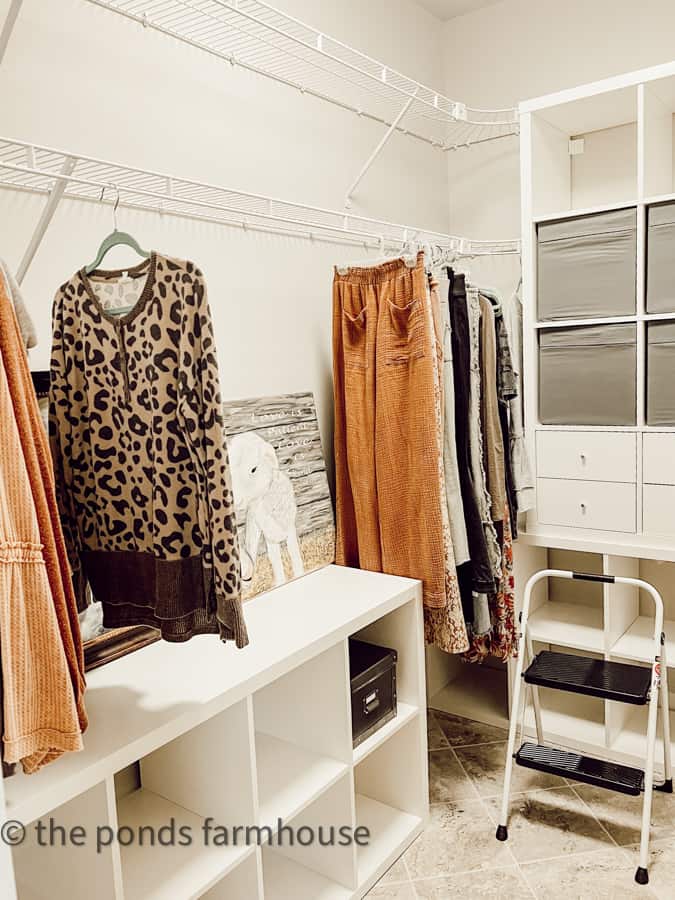
Beyond digital tools, consider physical organization that reinforces your system. Store core pieces in a way that makes outfit assembly quick and intuitive. Use clear, labeled storage for seasonal items, and rotate wardrobe sections to reflect the calendar. A thoughtful physical layout reduces decision fatigue and helps you stay committed to a streamlined, sustainable wardrobe.
Finally, cultivate a mindset of mindful consumption. In 2026, the focus is on longevity, quality, and planning. Before purchasing, ask: Does this item integrate with my core palette? Can it be repaired easily? Will it earn multiple wears across contexts? Will it endure seasons, trends, and travel without becoming obsolete? Answering these questions helps ensure every addition supports the capsule wardrobe 2026 as a cohesive system rather than a collection of competing pieces.
Conclusion: Embrace Growth While Preserving the Capsule Essence
In summary, advancing your capsule wardrobe 2026 means scaling with purpose, creating flexible yet cohesive variations, and planning for a durable, circular future. You grow by strengthening your core, layering wisely, and building event- and climate-ready variations that still belong to the same color family and fabric ecosystem. You plan for longevity by prioritizing repairability, resale, and responsible material choices. And you implement with practical tools and regular audits that turn theory into consistent, repeatable results. Ultimately, the capsule wardrobe 2026 remains about quality over quantity, clarity over clutter, and confidence over complication.
To conclude, begin today by drafting a scaled growth plan for your core pieces, identifying two or three variation scenarios that fit your life, and outlining a sustainable future plan for repair, resale, and circularity. As you do, remember that the practice of scaling is not a race toward maximalism; it is a disciplined commitment to maintaining a lean, effective, and expressive wardrobe that serves you across seasons and settings. In short, the capsule wardrobe 2026 is not just a label—it is a living system that adapts with you while staying true to its core principles. If you are ready to take the next step, audit your current closet, set a precise expansion budget, and start implementing the growth plan that aligns with your lifestyle and values. Your capsule wardrobe 2026 awaits its most intentional, stylish evolution yet.
For further guidance on sustainable fashion and circular economy thinking, explore reputable resources on material longevity, repair, and responsible consumption. For example, circular economy principles can be explored in depth at the Ellen MacArthur Foundation, which offers practical insights into designing out waste and keeping products in use. By combining strategic scaling with mindful variations and forward-looking planning, you can enjoy a capsule wardrobe that remains elegant, efficient, and aligned with eco-friendly values. In the end, your capsule wardrobe 2026 becomes a durable expression of personal style, responsibility, and confidence.
Ready to implement your Advanced Capsule Wardrobe 2026 plan? Start with a quick closet audit today, map out core pieces, and outline two growth initiatives that will elevate your entire capsule system. Your future-ready wardrobe is within reach when you approach scaling, variations, and future planning with clarity, discipline, and a commitment to sustainable elegance.