In today’s busy kitchens, a well-planned pantry isn’t a luxury—it’s a pathway to less waste, more flavor, and steady savings. This article starts with the essentials: building a baseline of durable, versatile ingredients, choosing storage systems that minimize spoilage, and cultivating shopping habits that reduce packaging and over-purchasing. At the heart of this strategy is the idea of zero waste pantry staples—carefully selected items you can rely on for quick weeknight meals, batch cooking, and creative substitutions. By focusing on foundations first, you create a kitchen that supports sustainable choices without sacrificing taste or convenience.
Over the course of this section, you’ll learn how to map your current stock, define core categories, and implement storage and planning practices that curb waste at every turn. We’ll blend practical how-tos with evidence-based tips, so you can start small, scale up, and tailor the approach to your household size, cooking style, and budget. Therefore, this foundation becomes a living system that adapts as your pantry—and your values—evolve.
Crucially, adopting these foundations is about empowerment as much as efficiency. You’ll gain clarity on what to stock, why to stock it, and how to rotate ingredients so nothing sits forgotten. In addition, you’ll find ideas to minimize packaging impact, support local producers when possible, and keep your kitchen organized with intention. Let’s begin with the overarching principles that support every zero waste pantry staple you add to your shelves.
Zero-Waste Pantry Staples Foundations for a Sustainable Kitchen
Zero waste pantry staples are more than a list—they are a framework. A strong foundation helps you reduce waste, cut costs, and enjoy a steadier supply of nourishing foods. The following sections break down core principles, staple categories, and practical storage strategies that together form a resilient, low-waste kitchen system.
zero waste pantry staples Foundations: Core Principles
These principles guide every stocking decision and every rotation. First, be intentional: choose ingredients with wide uses and long shelf lives wherever possible. In addition, favor durable packaging and minimal processing to lower waste and maintain quality. Crucially, implement consistent rotation (FIFO) so older items are used first and never forgotten. Therefore, your pantry becomes a reliable, time-saving asset rather than a source of waste or stress.
Next, build around versatility. A handful of high-utility staples can power dozens of meals, reducing the pressure to under- or over-stock. Additionally, think about storage compatibility: choose containers that fit your space and are easy to clean. Consequently, you’ll shrink spoilage and simplify everyday cooking.
Finally, integrate planning into daily life. A weekly inventory check, a simple meal plan, and a short shopping list are enough to maintain momentum. In addition, set up a routine for batch cooking and repurposing leftovers. These practices compound over time, turning good intentions into durable results. For a broader perspective on waste reduction, see EPA’s guidance on reducing waste when you shop here.
Principle 1: Intentional Selection
Choose items that earn multiple uses. A single grain can become breakfast, a side, and a soup base. A versatile legume can stretch across salads, stews, and blends. The aim is to maximize meals with minimal new purchases, especially items that store well in your climate and kitchen setup. In addition, prefer foods with minimal additives and clear, recyclable or reusable packaging.
Therefore, your shopping list stays lean and efficient, avoiding impulse buys that would sit unused. Use a small, specific inventory to guide decisions and keep your pantry lean but complete. The result is fewer trips to the store and less waste at the bin.
Principle 2: Durable Storage
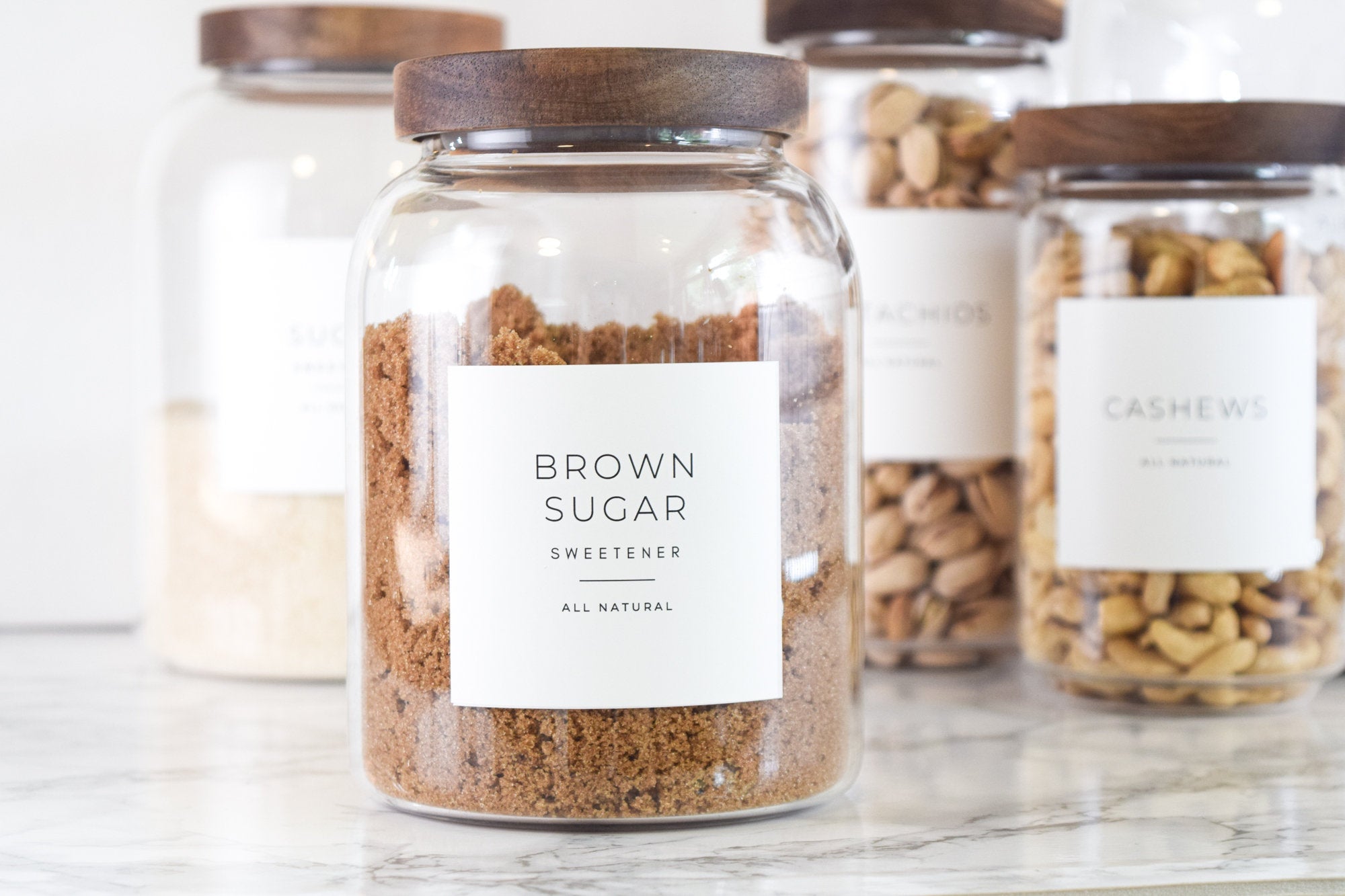
Durability reduces waste. Choose glass, metal, or sturdy BPA-free containers that seal well and resist moisture, heat, and pests. In addition, consider stackable designs to maximize space in small kitchens. Moreover, label containers clearly with contents and purchase dates to support rotation. Therefore, you’ll maintain freshness and minimize spoilage across all staple categories.
Crucially, avoid fragile packaging when possible—refill pouches, paper bags, and bulky plastics often contribute to waste. Instead, favor washable, reusable options and bulk containers that can be re-sealed after opening. This approach also makes shelf life more predictable, which supports smarter meal planning.
Principle 3: Clear Inventory and Rotation
Always know what you have and when you plan to use it. Start with a simple shelf-by-shelf audit: note items, quantities, and typical usage windows. In addition, adopt a FIFO routine at least weekly to ensure older items move to the front. Consequently, stale ingredients are minimized and flavors stay bright.
To keep this manageable, pair your inventory with a lightweight meal plan. A two-week cycle is often enough to stay ahead of expiration dates while allowing flexibility for new seasonal finds. Moreover, this reduces waste and gives you confidence in what you’ll prepare next.
Categories of Core Staples
Foundational categories form the backbone of a zero waste pantry. Stocking thoughtfully across grains, legumes, nuts, seeds, oils, spices, and shelf-stable vegetables creates a rich, flexible toolkit for daily cooking. Below are the key groupings and the rationale for each, plus practical tips for storage and rotation.
Grains and Pulses
Whole grains and pulses provide texture, protein, and heartiness across meals. They store well in cool, dry spaces and can be portioned into meal-sized amounts to simplify planning. In addition, consider mixing staples (like brown rice and quinoa) to avoid dependence on a single grain. Therefore, you gain resilience against supply fluctuations and pantry boredom.
Tips: store in airtight jars or bins with desiccants if your climate is humid. Label with purchase dates and suggested uses. Batch-cook grains in larger quantities and freeze portions for quick meals later. For extra sustainability, look for locally milled grains or ethically produced pulses when possible.
Nuts, Seeds, and Dried Fruits
Nuts and seeds add crunch, protein, and healthy fats. They also have versatile uses—from snacks to toppings to enriching sauces. Dried fruits bring sweetness and texture to both savory and sweet dishes. Keep these in cool, dark spots to maximize shelf life. In addition, portion them into small, reusable containers to avoid repeated opening of larger bags.
Rotation matters here too: use older bags first, and keep an eye on oilier nuts that can go rancid if exposed to light or heat. Therefore, a simple rotation plan prevents waste and preserves flavor.
Oils, Fats, and Condiments
Healthy oils and a few pantry fats can dramatically boost flavor with minimal waste. Choose a small set of high-quality oils and keep them away from heat and light. In addition, store vinegar, soy sauce, and a few sauces in stable bottles to reduce the need for frequent purchases. Therefore, you’ll maintain freshness without cluttered shelves.
Tip: decant large bottles into smaller, clearly labeled containers with measured pour spouts to minimize waste and spills. Try to select packaging that is recyclable or reusable whenever possible.
Herbs, Spices, and Flavor Enhancers
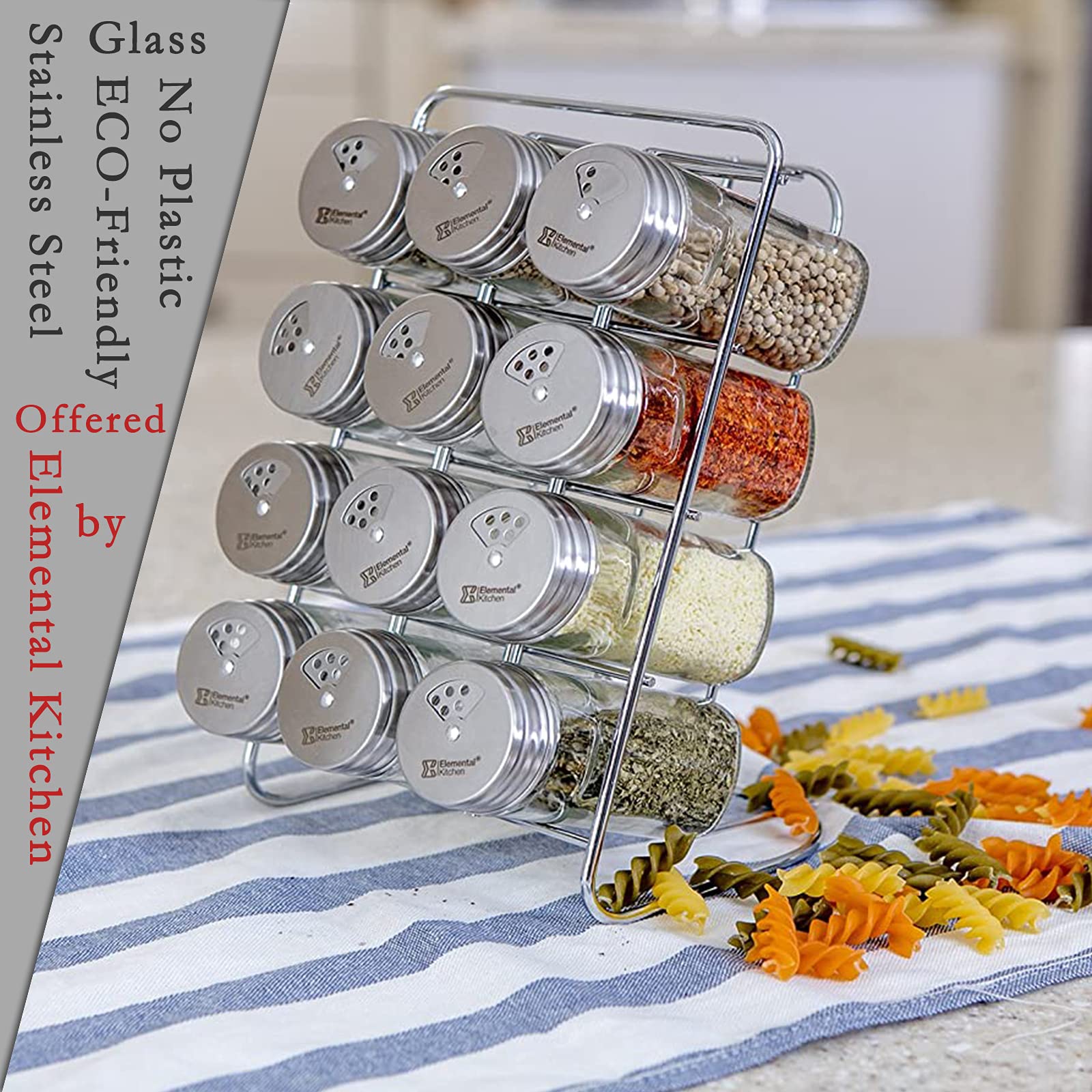
Spices are the cornerstones of pantry flavor. A curated set of everyday herbs and spices enables you to riff on meals without adding extra bulk or waste. Store in airtight containers away from light; replace herbs when their aroma fades. In addition, keep a small reserve of fresh aromatics (like garlic and onions) in a dedicated, vented container for quick flavor boosts.
Therefore, your weeknight dishes can stay exciting without relying on last-minute trips to the store. Consider using dried versions for long-term storage and fresh herbs for finish-and-flavor in meals that justify the extra touch.
Stock, Broths, and Substitutes
Stock and broth form the backbone of soups, stews, and sauces. Keep a few well-balanced options—prefer low-sodium varieties and homemade broth when possible to cut packaging waste. In addition, learn a few go-to substitutes (like miso for depth of flavor or nutritional yeast for savory notes) to avoid buying items you’ll use rarely. Therefore, you’ll reduce waste while preserving depth and character in your dishes.
Tip: homemade broth can be frozen in ice-cube trays for portion control and quick reheating. A quick rotation of these items ensures you’re always ready for comforting meals without overstocking.
Storage Strategies for Waste Reduction
Storage is where waste reduction moves from concept to habit. The right containers, the right organization, and the right routines work together to keep ingredients fresh and accessible. Below are practical strategies to minimize spoilage and maximize shelf life.
Containerization: Glass, Stainless, and Silicone
Choose durable, reusable containers that seal tightly. Glass is easy to clean and non-porous, stainless steel is resilient, and silicone can handle flexible storage needs. In addition, ensure lids fit snugly to reduce moisture ingress and pests. Therefore, you’ll cut spoilage and simplify stacking in small spaces.
Consistency matters: keep similar shapes and sizes to optimize cabinet or pantry shelves. This not only improves visibility but also makes inventory checks faster and more accurate.
Labeling, FIFO, and Inventory Tracking
Labeling is your best friend for rotation. Use purchase dates and best-by dates, and keep a simple log of what you opened and when. In addition, adopt a weekly or biweekly inventory sweep to catch nearing expirations before they slip away. Therefore, you’ll prevent waste and keep everything current and usable.
Simple templates—one-line entries on a whiteboard or a small notebook—can be enough to stay organized without becoming a project in itself.
Humidity, Temperature, and Shelf Life
Most pantry items thrive in cool, dry environments with steady humidity. Avoid heat sources and direct sunlight, which can degrade quality and accelerate spoilage. In addition, consider dedicated storage zones for different item types to minimize cross-contamination and keep items logically grouped by use. Therefore, organization becomes an ongoing benefit rather than a chore.
For example, keep grains away from items with strong odors that can impart flavors over time. The goal is to preserve flavor, texture, and nutritional value through thoughtful placement.
Shopping and Planning for a Zero-Waste Pantry
Smart shopping habits are the bridge between foundations and daily practice. The right planning reduces impulse buys, packaging waste, and misused ingredients. Here are practical approaches to make shopping work for a zero-waste pantry.
Bulk Buying and Local Co-ops
Bulk markets and local co-ops are excellent sources for staples with minimal packaging. Bring your own containers and weigh items to avoid excess packaging. In addition, bulk shopping encourages you to try smaller amounts of new items before committing to large purchases. Therefore, you save money and waste with smarter trials.
When bulk isn’t feasible, seek less-packaged options (e.g., paperboard cartons, metal tins) and prioritize products with refillable packaging where available.
Seasonal Planning and Batch Cooking
Plan meals around seasonal produce and pantry staples to minimize spoilage and transport emissions. In addition, batch cooking turns a few ingredients into many meals, stretching your staples further. Therefore, you’ll maximize nourishment while keeping waste to a minimum.
Develop a simple two-week plan that accounts for breakfasts, lunches, dinners, and snacks. Use this plan to guide your shopping list rather than impulse buys.
Packaging Alternatives and Substitutions
Where possible, favor packaging that is recyclable, compostable, or reusable. In addition, familiarize yourself with substitutions that reduce waste—for example, using dried beans instead of canned when appropriate, or swapping fresh herbs for dried when your schedule doesn’t permit frequent purchases. Therefore, you’ll maintain flavor while cutting packaging footprints.
Maintenance, Safety, and Health
Finally, safety and maintenance ensure your pantry remains a healthy foundation for everyday meals. A few deliberate practices go a long way.
Food Safety Basics for a Small Kitchen
Keep perishable items refrigerated promptly, wash produce, and separate raw proteins from pantry staples. In addition, routinely check expiration dates and discard compromised items. Therefore, you protect your family’s health while avoiding waste caused by spoilage.
Rotate with care: place recently opened products behind older stock. Consequently, your pantry stays fresh and usable with minimal waste.
Rotating and Maintaining Freshness
Set a weekly reminder to audit your staples. Use a simple scoring system (fresh, good, borderline) to guide usage. In addition, replenish only what you’ve used, rather than stocking up on everything at once. Therefore, your pantry remains lean, vibrant, and waste-conscious.
End-of-Life: Compost and Recycling
Plan for end-of-life items. Compost food scraps when possible, recycle appropriate packaging, and reduce non-recyclables through careful selection. In addition, separate recycling streams to maximize material recovery. Therefore, you support broader waste-reduction goals beyond your kitchen walls.
Starter Kit and Quick-Start Plan
To translate theory into action, assemble a two-week starter pantry that covers breakfasts, lunches, and dinners with minimal waste. Include a handful of versatile grains, a few legumes, nuts or seeds for texture, a couple of oils and condiments, a handful of dried herbs and spices, and one or two shelf-stable vegetables or broths. Use reusable jars for storage and a simple inventory sheet to track what you have and what you’ll use next. Therefore, you’ll begin the journey with tangible, achievable steps rather than a long, vague list.
As you implement this plan, revisit each category every week. Adjust quantities based on your family’s meals and preferences. The goal is steady progress, not perfection. Finally, remember that the most powerful part of zero waste pantry staples is consistency—the small, daily decisions compound into lasting change.
Next, in Part 2 of Zero-Waste Pantry Staples: Storage and Organization Systems, we’ll turn these foundations into actionable layouts, labeling schemes, and practical shopping rituals to keep your kitchen both orderly and waste-light.
Zero-Waste Pantry Staples Shopping List: Practical Selection for 2026
In 2026, choosing zero waste pantry staples means balancing shelf life, versatility, and packaging choices. It also means prioritizing bulk options, local products, and refillable containers. This section offers a practical shopping list that covers core categories, explains why each item matters, and provides steady strategies for stocking a functional, waste-minimizing pantry. By building this foundation you’ll be able to cook a wide range of meals with minimal waste and maximum flexibility. For inspiration on reducing waste at the source, consider resources such as Zero Waste Home.
Designed around zero waste pantry staples, the list emphasizes packaging-free bulk options, careful rotation, and thoughtful storage that lowers waste without complicating your weekly shop. The goal is to deliver clarity: a concise core set you can trust through busy weeks, supply fluctuations, and evolving grocery layouts in 2026. You’ll notice the emphasis on long-lasting items, simple substitutions, and a structure that scales with household size. Throughout, the focus remains on practical, low-waste, high-value choices that stay useful week after week. For further inspiration on reducing waste at the source, consider resources such as Zero Waste Home.
Why Zero Waste Pantry Staples Matter in 2026
First, a strategic selection reduces packaging, which aligns with EcoOrderly’s mission and the broader drive to shrink waste. It lowers cost per serving over time because bulk options and bulk bins can offer better pricing, especially when you decant into reusable containers. It minimizes waste across the kitchen—from packaging to spoiled food—by encouraging you to buy only what you can store and use. In 2026, supply-chain volatility and fluctuating prices make bulk, shelf-stable items a reliable anchor. A well-curated list also speeds up meal assembly, cutting down impulse buys that lead to wasted ingredients. Additionally, building a dedicated storage system supports a consistent routine: you know where everything lives, you know when it’s due for rotation, and you can plan weekly menus with confidence. Specifically, you’ll want to base your pantry on a few dependable grains, legumes, oils, spices, and condiments that pair well with vegetables, canned goods, and seasonal produce.
Foundational Categories for a Zero Waste Pantry Staples Shopping List
To create a robust zero waste pantry, start with core categories that cover most meals and snacks. Grains provide the backbone of bowls, soups, breakfasts, and baking; legumes supply plant-based protein and fiber; nuts and seeds add texture and healthy fats; dried fruits and natural sweeteners offer convenient sweetness; oils and vinegars serve as flavor anchors and preservation helpers; herbs and spices unlock variety; condiments and ferments extend flavor without waste; and proper storage tools seal the deal by preventing spoilage. This framework helps you design a shopping trip that yields maximum meals with minimal waste, while staying adaptable to a family’s changing tastes and pantry space. In short, the foundation is simple, scalable, and designed for 2026 realities.
Grains for Long-Lasting Zero Waste Pantry Staples
Choose a core set of grains that store well, cook quickly, and offer multiple uses. White or brown rice, quinoa, oats (rolled or steel-cut), barley, bulgur, millet, and couscous form a versatile foundation. Some grains require soaking or longer simmer times, which you can plan around batch cooking or meal-prep days. For the best flavor and longevity, keep grains in airtight glass containers away from heat and light, and label storage with purchase dates. Rotate stock on a first-in, first-out basis to prevent stale flavors; use the oldest jars at the front of the shelf and the freshest behind them. When possible, purchase in bulk and decant into your own reusable jars to minimize packaging waste. In 2026, many bulk facilities and co-ops offer excellent options that align with a zero waste pantry staples approach, allowing you to tailor your mix to budget and family size.
Legumes and Pulses for Sustainable Protein
Lentils, chickpeas, black beans, kidney beans, cannellini beans, and other dried legumes are affordable, protein-rich staples that store well for months. If you prefer convenience, canned varieties are acceptable; however, dried legumes use less packaging when bought in bulk. Soak and cook dried legumes in batches, then portion into reusable containers and freeze for future meals. Legumes pair beautifully with grains, vegetables, and herbs, creating nourishing soups, stews, salads, curries, and spreads. Plan ahead to cook in larger quantities, which helps you minimize cooking time on busy days. For 2026, consider a small rotation cycle: keep a few favorites on hand, and substitute one legume for another to maintain variety without adding waste. Remember to rinse canned legumes well and choose BPA-free options when possible.
Nuts, Seeds, and Healthy Fats
Stock a mix of almonds, walnuts, cashews, and pistachios, plus seeds such as chia, flax, pumpkin, and sesame. Nuts add crunch, protein, and sustainable fats, making them ideal for snacks, toppings, and quick energy bites. Toasting lightly before use enhances aroma and flavor, but do so in small batches to avoid rancidity. Store nuts and seeds in cool, dark places; refrigerate or freeze the ones you won’t use in the near term to preserve freshness. Have a stable fat on hand, such as extra-virgin olive oil or avocado oil, and consider a neutral option for baking and high-heat cooking. Choose packaging that minimizes waste: bulk options with reusable containers or refillable bottles are best, and always decant into your own jars whenever possible. In 2026, bulk vendors increasingly support zero waste shopping by allowing you to bring your containers to bulk sections to purchase exact amounts you need.
Dried Fruits, Sweeteners, and Flavor Additions
Dried fruits like raisins, dates, apricots, and cranberries illuminate grains and yogurt, provide quick snacks, and help you craft desserts with less added sugar. Pair dried fruits with nuts for energy bites or chopped into warm oatmeal. For sweetness, bulk options such as coconut sugar, maple syrup, or honey cut down on packaging and let you choose the sugar profile you prefer. In glass jars or metal tins, these items stay accessible without contributing to plastic waste. Flavor enhancers include vanilla, cocoa powder, shredded coconut, and cinnamon sticks that keep long and add depth to recipes. Store dried fruits in airtight jars away from heat, and use within their recommended shelf life to maintain texture and flavor. When shopping in bulk, bring your own bag or jar to keep waste to a minimum and support a circular economy.
Oils, Vinegars, Salt, and Flavor Enhancers
Oils like extra-virgin olive oil, avocado oil, and neutral cooking oils provide essential fats and cooking versatility. Vinegars, including apple cider and balsamic, brighten dressings and marinades and help preserve produce. Salt—sea salt or kosher salt—remains a fundamental flavor amplifier; pepper and a few all-purpose blends fill out the cabinet without requiring many jars. Keep aromatics on hand in powder form for convenience: garlic powder and onion powder pair with a wide range of dishes. In 2026 focus on packaging that reduces plastic waste: purchase glass bottles and transfer to reusable jars. A small set of high-quality oils and vinegars goes a long way; a little goes a long way in flavor and shelf life. Also, monitor storage conditions to prevent rancidity and ensure optimal flavor retention.
Herbs and Spices: A Compact Zero-Waste Spice Rack
Create a lean, reliable spice rack that covers most cuisines. Include dried oregano, thyme, basil, cumin, paprika, turmeric, chili powder, garlic powder, and onion powder, plus black pepper. A couple of all-purpose blends—Italian seasoning, curry powder, or za’atar—can replace several individual jars while saving space and waste. Store spices in a cool, dark cabinet in airtight containers; remember that ground spices lose potency more quickly, so consider buying whole spices and grinding as needed. In 2026, many brands offer refillable packaging or excellent bulk options; take advantage of these to maintain a compact, plastic-free rack. Label jars with the purchase date to facilitate rotation, and clean lids regularly to ensure a tight seal that keeps flavors vibrant.
Pantry Condiments and Ferments That Keep
Condiments extend the shelf life of simple meals and add brightness to plates. Include soy sauce or tamari, mustard, ketchup, and a few sauces that you actually use. Ferments—such as miso, sauerkraut, kimchi, or yogurt in glass jars—deliver depth and probiotic benefits with minimal waste when stored properly. When possible, choose products in recyclable packaging or bulk formats that you can decant into reusable jars. Ferments often last longer than fresh produce and can be portioned for future meals, helping you reduce waste across the week. As with other categories, decant into reusable containers and keep a simple inventory to avoid overstocking or forgetting items at the back of the shelf.
Storage Tools and Packaging: Reducing Waste at Home
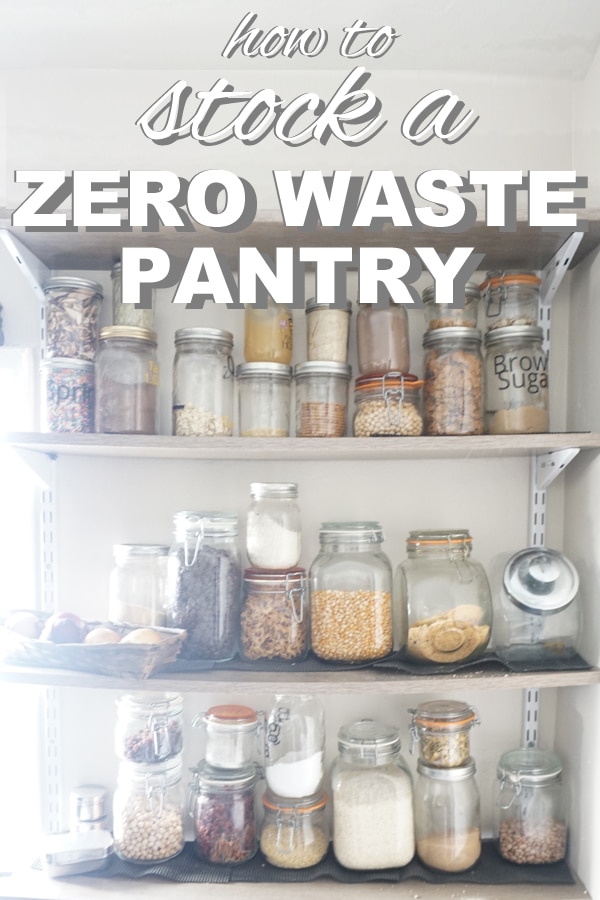
Durable, reusable storage solutions are the backbone of a zero-waste pantry. Invest in glass jars with airtight lids, silicone lids, beeswax wraps, and sturdy metal canisters for bulk grains, legumes, nuts, and snacks. Label every container with its contents and the purchase date to simplify rotation. A small kitchen scale helps you portion bulk purchases accurately, while a tote bag or cotton sacks are handy for bulk-bin trips. Bring your own containers to bulk sections to avoid disposable packaging and to support a circular economy. In addition, create a simple, visible inventory list on the fridge or a wall so you always know what you have and what you need to restock. With thoughtful storage, you reduce spoilage, save money, and simplify weeknight cooking in 2026 and beyond.
Budgeting, Substitutions, and Practical Shopping Tips
Finally, plan purchases with an eye toward budget and waste reduction. Set a realistic weekly or monthly target for staples based on your meal plan and family size. When a preferred item is unavailable, pivot to a suitable substitute that aligns with your goals—quinoa can be swapped for millet, or bulgur for barley in many dishes. Wherever possible, buy in bulk through reputable retailers or co-ops that allow you to bring your own containers, keeping packaging waste low. Use a FIFO approach; place the oldest items in front and the newest behind to avoid expiry. Favor seasonal produce pairings that complement your staples, and maintain a lean spice rack that can adapt to dozens of recipes. The consistent practice of careful planning, reliable stocking, and smart storage creates a truly low-waste pantry in 2026.
With this carefully chosen shopping list, you have a solid foundation for a zero-waste pantry that supports a busy lifestyle while minimizing environmental impact. Remember to stay flexible, adjust to local availability, and carry reusable containers for bulk purchases. As you start filling your shelves, keep an eye on shelf life, storage conditions, and rotation so nothing goes to waste. In the next section, Part 3: Practical Meal Planning with Zero-Waste Pantry Staples, we will explore how to plan meals, batch cook, and reuse these staples to minimize waste while maximizing flavor.
Advanced Strategies for Zero-Waste Pantry Mastery and Ongoing Success
In this final section, we translate practice into durable, daily behavior. You’ll learn how to optimize systems for long-term zero waste pantry staples, measure progress, and adapt to changing seasons, diets, and supply conditions. Ultimately, mastery comes from consistent routines, intelligent design, and transparent metrics.
Zero waste pantry staples: refining inventory management with smart rotations
Effective inventory management reduces waste and keeps pantry staples accessible. The core idea is to practice FIFO—first in, first out—so older items are used before newer ones. Start with a monthly audit: check expiry dates, assess opened packages, and note items nearing their best-by dates. When you identify overstock, adjust next-order quantities, repackage into reusable containers, or swap to complementary recipes that consume those ingredients.
To make this sustainable, pair a digital log with a physical system. A simple shelf label or whiteboard helps the whole household see what’s on hand. A light-weight app or spreadsheet can flag items nearing expiry. When items are used, remove them from the log and update the quantity. This dual approach minimizes blind spots and reinforces accountability.
Digital tracking vs. physical boards
Digital tracking provides automation and history. Physical boards give at-a-glance clarity in the kitchen. Use both: record items in a shared spreadsheet or app, and maintain a visible card wall or magnetic board on the fridge. If you bake weekly, tie your calendar reminders to the items you want to rotate. The combination reduces cognitive load and keeps everyone aligned.
Optimizing storage conditions for maximum shelf life
Storage conditions are often the quiet hero of zero-waste success. Light, heat, and humidity accelerate deterioration, while airtight containment slows oxidation and moisture ingress. Aim for a cool, dark, dry location and invest in transparent, airtight containers that seal well and stack efficiently. For oils, use dark bottles away from light; for grains, consider opaque bins to limit light exposure; for dried fruit and nuts, store in cool places to minimize rancidity.
Labeling matters. Include the product name, purchase date, and estimated shelf life. If you open a container, record the new best-by date. Consider portioning large bags into smaller jars to minimize exposure to air and to help with controlled usage. Lastly, separate moisture- or aroma-sensitive items (like cocoa powder or chili flakes) into specialized containers with desiccants or oxygen absorbers where appropriate.
Container sizing, labeling, and stacking
- Choose uniform, stackable containers to maximize shelf space and simplify rotation.
- Label clearly with the product name and the open date; use color-coded labels by category (grains, legumes, spices, snacks).
- Use rubber seals or lids with gaskets to minimize air ingress and preserve freshness.
- Organize by frequency of use, placing daily staples at eye level for quick access.
Zero waste pantry staples: sourcing and supplier relationships
A reliable supply chain reduces the temptation to break your zero-waste rules. Bulk buying, local co-ops, and grocery stores with bulk bins can be leveraged to minimize packaging. When possible, bring your own reusable containers and avoid single-use packaging. Build relationships with local producers, farmers markets, and online bulk retailers that support refill programs. Even small changes—like choosing cans with recycled content or glass jars instead of plastic—add up over time.
Negotiating with suppliers is a skill. Ask for bulk cuts, seasonal items, or pantry-friendly bundles. In some communities, cooperative buying groups can secure discounts while maintaining low packaging. Remember to verify the sustainability practices of vendors and ensure that any packaging you receive is consistent with your waste-reduction goals. For optional guidance on broader waste reduction strategies, see EPA resources.
One practical tip: keep a small inventory of reusable containers in the car or bag for impulsive purchases that would otherwise come with excess packaging. For further guidance on reducing consumer waste at the source, you can consult EPA guidance on reducing waste.
Waste metrics and continuous improvement
Tracking metrics creates accountability and momentum. Build a simple dashboard that covers key indicators: waste diverted from landfill (in kilograms), cost savings from bulk buying, average shelf-life extension achieved through better storage, and the rate of packaging reductions year over year. A monthly scorecard helps you see patterns and identify where to improve.
Examples of practical metrics include:
- Percentage of pantry waste reduced month over month.
- Average shelf life of core staples after rotation.
- Number of items repurposed into new meals rather than discarded.
- Quantity of packaging saved by buying in bulk or using reusable containers.
Turn data into action. If your waste rate rises after a season change, investigate whether you’ve stocked items that aren’t in steady demand. If bulk-buying saves money but increases the chance of spoilage, adjust the cadence or batch sizes. The point is to keep a living plan, not a one-off reset.
Habit design for ongoing success
Habits stabilize outcomes. Design routines that embed zero-waste practices into daily life. A few proven strategies:
- Cue: A weekly pantry walk at a fixed time identifies what’s running low or nearing expiry.
- Routine: Batch-prepare meals that use dormant ingredients before they age.
- Reward: Celebrate small wins, like a no-waste week or successfully repurposing two surplus ingredients.
- Social accountability: Involve the household with shared goals and a visible progress board.
To sustain momentum, create micro-conditions that support adherence. For example, designate a “zero-waste zone” in the kitchen with clearly labeled zones, tools, and reuse systems. Rotate roles so every member contributes in meaningful ways, from inventory recaps to jar-labelling tasks.
Emergency preparedness and adaptivity
When disruptions occur, your systems must adapt. Build two layers of resilience: avoidance and recovery. Avoidance means choosing staples that store well under varying conditions and using packaging formats that tolerate delays. Recovery means having backup options for staple items so a delay in one supply line won’t derail meals or cause waste.
Practical steps include keeping a small backup supply of crucials like rice, beans, oats, and dried fruit in a separate locked cabinet or sturdy tote. Maintain a 2–4 week buffer for core categories and rotate it quarterly. If a supplier experiences a shortage, switch to compatible substitutes without creating packaging waste by reusing containers already in your pantry.
12-week maintenance blueprint for ongoing success
A structured, repeatable plan anchors long-term success. Use this 12-week blueprint as a template to tailor to your household needs:
- Week 1: Conduct a full pantry audit—inventory, expiry dates, and packaging waste.
- Week 2: Implement improved labeling and a centralized rotation log; set digital alerts.
- Week 3: Optimize container choices; harmonize sizes; test airtight seals in daily use.
- Week 4: Establish bulk-buying routines with local vendors; test jar-based storage with a few staples.
- Weeks 5-6: Consolidate storage zones; refine shelving for visibility and access; document waste reductions.
- Weeks 7-8: Build supplier relationships; schedule a seasonal stock check; adjust purchase cadence.
- Weeks 9-10: Launch a family challenge for repurposing leftovers; track impact.
- Weeks 11-12: Review metrics; adjust targets for the next quarter; plan for seasonal transitions.
Conclusion
In conclusion, mastery of zero-waste pantry staples requires discipline, systems thinking, and continuous improvement. By refining inventory management, optimizing storage conditions, and building resilient sourcing, you create a pantry that serves your health, budget, and planet. The blend of precise rotation, thoughtful containers, and data-driven decisions reduces waste while keeping your kitchen efficient and inviting. You now have a clear playbook for turning zero-waste principles into everyday practice that adapts to seasons and shifts in your household.
Ultimately, the ongoing success of your zero-waste pantry relies on habits that stick. Regular audits, joyful rituals around cooking and meal planning, and a culture of sharing responsibility ensure this is not a one-time project but an enduring lifestyle upgrade. To support your journey, maintain the routines, monitor the metrics, and keep refining your approach as your life evolves.
For ongoing learning and motivation, consider integrating the following actions into your routine: document lessons learned, celebrate milestones with your household, and revisit your pantry goals quarterly. The result is a pantry that not only minimizes waste but also maximizes flavor, nutrition, and savings.
Finally, if you’re ready to take the next step, sign up for our Zero-Waste Pantry Community newsletter for ongoing tips, seasonal challenges, and exclusive checklists designed to help you stay on track with zero-waste pantry staples. Together, you can create a calmer, cleaner kitchen that aligns with your values and supports a sustainable lifestyle.
Short recap and invitation: Embracing the principles outlined here will transform how you shop, store, and cook—consistently delivering on the promise of zero waste pantry staples. Start today by auditing your shelves, selecting a single container system, and committing to a 4-week rotation log. Your future kitchen will thank you.