Foundational Guide to Bamboo Pantry Organizers for a Sustainable Kitchen
In this foundational guide to bamboo pantry organizers for a sustainable kitchen, you’ll learn how to choose, arrange, and care for storage solutions that blend beauty, durability, and environmental responsibility. Bamboo pantry organizers offer a renewable, low-impact alternative to traditional plastics and metals, while delivering sturdy performance for everyday cooking. By focusing on smart design principles and maintenance, you can transform a cluttered pantry into a calm, efficient space—and reduce waste in the process. This guide aligns with eco-friendly living and practical DIY habits that fit modern homes in 2026 and beyond.
- They simplify inventory management and visibility
- They reduce reliance on single-use plastics
- They fit a warm, natural kitchen aesthetic
- They adapt to changing household needs through modular designs
What are bamboo pantry organizers and why they matter
Put simply, bamboo pantry organizers are modular storage components made from bamboo that help you separate, stack, and access dry goods, spices, and snacks. They matter because they combine longevity with sustainability. Bamboo grows quickly, requires little water once established, and can be harvested with minimal environmental impact. Therefore, they reduce the reliance on plastic containers and metal bins that may carry higher embedded energy. When you introduce bamboo pantry organizers into your kitchen, you gain clarity: fewer duplicates, better visibility, and less waste across bins, jars, and packaging. Learn more about bamboo’s sustainability from bamboo (source: Britannica).
Design-wise, these organizers help you reclaim space and create a calm, navigable pantry. In addition, they support a minimalist mindset by encouraging you to choose only what you truly use. Crucially, they withstand daily kitchen use while aging gracefully with the room’s natural light and texture. This makes bamboo pantry organizers popular for eco-conscious households seeking durable, stylish storage without compromising performance.
Material advantages: bamboo as a sustainable choice
Bamboo is a fast-growing, renewable resource that delivers amazing strength-to-weight ratios. Bamboo pantry organizers are often lighter than metal equivalents, yet sturdy enough to hold cans, jars, and bulk goods. The grain and natural colorways add warmth to shelves, reducing visual clutter and enhancing quick item recognition. Maintenance is straightforward: wipe with a damp cloth, avoid soaking, and apply occasional food-safe oil to renew moisture resistance. Crucially, choosing bamboo minimizes plastic waste and supports a circular approach to kitchen goods. With proper care, bamboo pantry organizers can last for years of daily use.
Design principles for sustainable organization
Design matters as much as material. In order to maximize space, apply modular, scalable layouts that adapt to your shelves. In addition, prioritize vertical stacking, transparent containers, and consistent labeling to minimize searches. Keep frequently used items within easy reach and reserve the back for bulk purchases. By combining these principles, you make bamboo pantry organizers work for you, not against your workflow. Therefore, you’ll experience less impulse buying and more mindful consumption.
Proportions, spacing, and modularity
Proportions affect how many items you can store. Start with a simple rule: measure shelf width, depth, and height, then select bins and risers that fit with a little gap for airflow. Spacing should be even and predictable; modular components snap together into a cohesive system. This approach reduces clutter and simplifies rotation of items, so you always see what you have and what you need. Importantly, modular bamboo pantry organizers allow you to reconfigure as your family size and meals change.
Types of bamboo pantry organizers
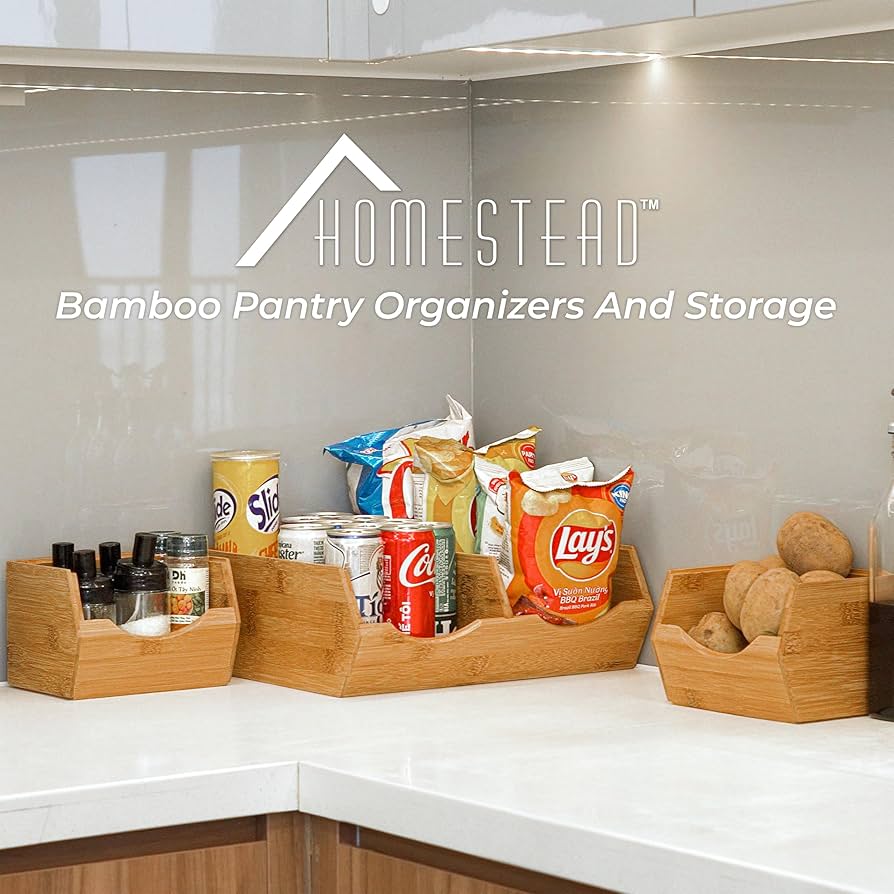
There are several core categories to consider. First, pantry bins and canisters keep loose items contained and visible. Second, risers lift items to eye level and create multi-tier visibility. Third, dividers and labeling systems separate categories within drawers and on shelves. Each type works with bamboo pantry organizers to create a cohesive, easy-to-navigate storage scheme. In addition, the right combination depends on your foods, container shapes, and pantry layout.
Pantry bins and canisters
Choose clear, food-safe containers when possible. Clear designs help you see contents at a glance, reducing waste. If you prefer a warm natural feel, opt for bamboo canisters with secure lids that seal freshness. Ensure sizes vary to accommodate flour, sugar, beans, and snacks. Therefore, a small set of three to five bins can cover most needs without overcrowding the shelves.
Risers and shelf organizers
Risers add vertical space without increasing footprint. Look for stackable bamboo risers with anti-slip feet to keep items stable. Use them to display canned goods and spices at eye level. In addition, shallow risers are perfect for lids, wraps, and smaller packs. By combining risers with bins, you create a layered system that’s quick to scan. This reduces search time and keeps your bamboo pantry organizers looking tidy.
Dividers and labels
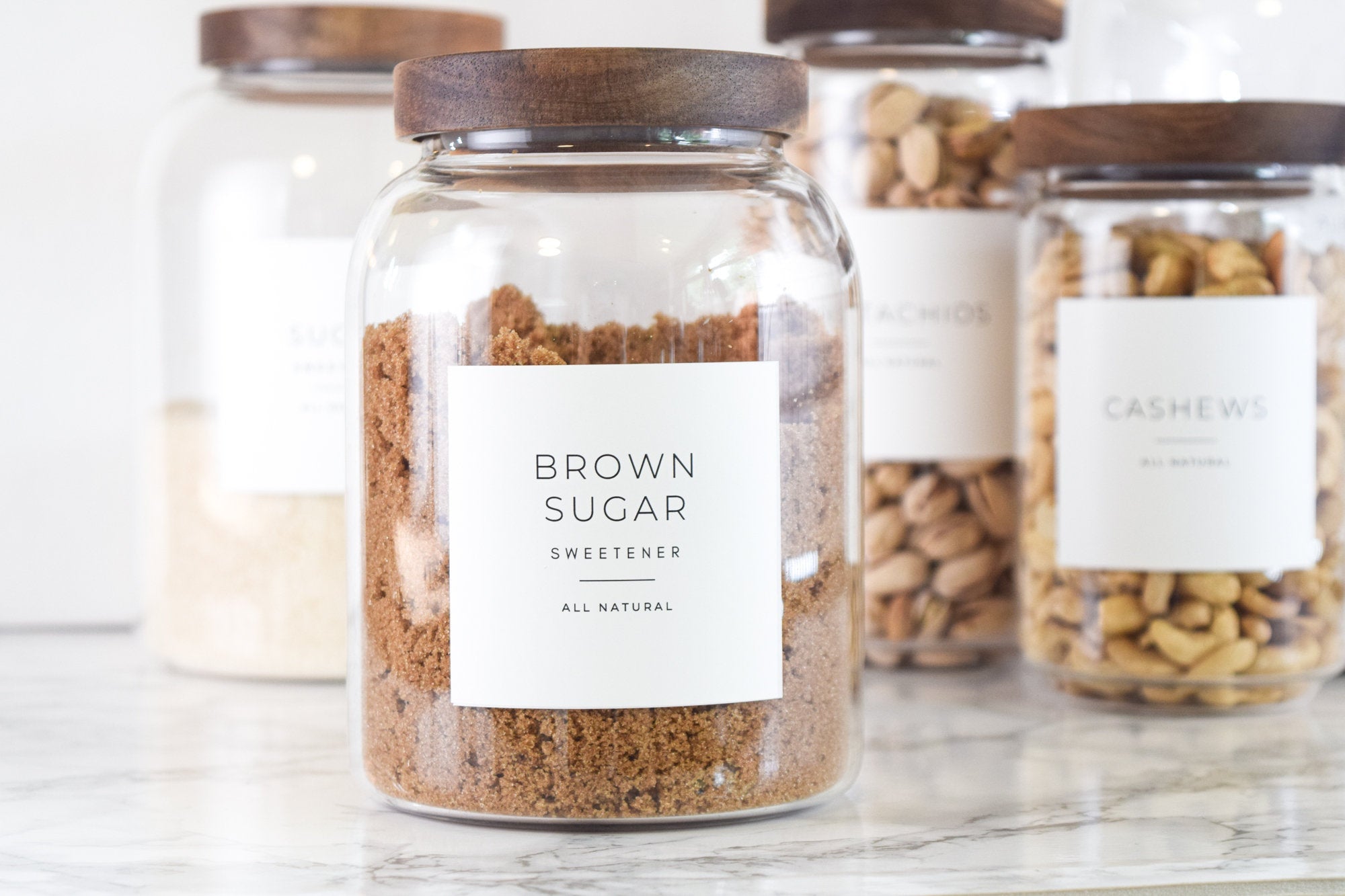
Dividers help segment categories on open shelves or inside drawers. Labels—whether printed or handwritten—improve recall and reduce restocking errors. When labeling, use durable materials that resist moisture and fading. Consequently, a simple labeling system can dramatically improve organization. For those aiming for a cohesive look, match label styles to the natural tones of bamboo pantry organizers.
Size, layout, and space planning
Before shopping, map your space. Start by noting shelf dimensions, the height from shelf to ceiling, and any obstructions like doors or vents. In addition, estimate how many items you need to store and how often you reach for them. Use this data to build a layout that prioritizes accessibility and visibility. Consequently, the layout will support faster meal prep and less pantry rummaging.
Measuring shelves and calculating capacity
Measure width, depth, and height for each shelf. Subtract a few millimeters to allow airflow and lift. Then calculate capacity by item category: cans, jars, bags, and bulk goods. Create a simple grid on paper or a digital tool to visualize different configurations. Once you know space limits, you can choose bamboo pantry organizers that fit like puzzle pieces. This step saves you time and avoids expensive returns.
Care and maintenance
Maintenance preserves appearance and function. Wipe bamboo pantry organizers with a damp cloth after use and dry promptly. Avoid soaking to prevent warping. Periodically apply a food-safe oil or wax to maintain moisture resistance and shine. In addition, check for wear around lids and joints and tighten or replace as needed. A little upkeep goes a long way in extending the life of bamboo pantry organizers.
Cleaning, oiling, and durability tips
Use mild soap and warm water for routine cleaning. Then dry thoroughly to prevent moisture damage. For extra protection, apply a thin coat of mineral oil or beeswax-based conditioner every few months. These steps help prevent cracking and keep the natural finish vibrant. Crucially, consistent care helps bamboo pantry organizers stand up to humidity and heat in the kitchen environment.
Installation and safety
Install with attention to stability and moisture control. Secure heavy items on lower shelves and use non-slip mats or shelf liners. If your pantry sits near a sink or stove, look for moisture barriers and ensure proper ventilation. In addition, avoid overloading bins, which can stress joints and warp panels. A careful approach reduces hazards and extends the life of bamboo pantry organizers.
Anchoring, moisture control, and safe handling
Anchor tall units to the wall or shelf to prevent tipping. Choose moisture-resistant finishes and avoid prolonged exposure to steam. Use handles and grips that are easy to operate with wet hands. By prioritizing safety and care, you’ll enjoy a durable system that stays neat through busy weeks and seasonal meals.
In Part 2: Practical Selection and Setup for Bamboo Pantry Organizers, we will cover how to choose models, measure your space, and install with confidence.
Installing Bamboo Pantry Organizers for Maximum Kitchen Efficiency
In this phase, planning meets execution. Bamboo pantry organizers unlock the potential of every cabinet, transforming chaos into order. The goal is to make grab-and-go items accessible, reduce wasted space, and create a system that is easy to maintain. With careful installation, your bamboo pantry organizers become a durable backbone for a sustainable kitchen. Specifically, the payoff is a smoother workflow, less time spent searching for ingredients, and fewer impulse purchases that clutter shelves.
Begin with a thorough space assessment. Measure cabinet widths and depths with care, accounting for obstructions like hinges, door clearance, and corner curves. Note the usable depth rather than the full cabinet depth, and record height constraints to accommodate tall containers. This upfront audit guides your purchasing choices and prevents mismatches that derail progress later. In addition, visualize zones for dry goods, spices, and snacks, so every bamboo pantry organizer has a defined purpose from day one.
Next, choose configurations that align with how you cook. Bamboo pantry organizers come in a variety of styles, from slim pull-out baskets to tiered risers, deep shelf organizers, and door-mounted solutions. Pay attention to load capacity, finish durability, and moisture resistance. For cabinets where humidity fluctuates, favor units with sealed edges and water-repellent finishes. The goal is to select bamboo pantry organizers that stay straight, resist warping, and maintain their appearance over years of daily use. When in doubt, a modular approach works well; you can expand later without a complete overhaul.
Prepare your workspace and tools before you begin. Gather a tape measure, a small level, a drill with wood bits, a screwdriver, masking tape, a pencil, and appropriate mounting screws or hardware provided by the manufacturer. Clear the shelves, wipe down surfaces, and remove any loose items from nearby counters. If your kitchen has glossy or highly finished interiors, wipe away dust and fingerprints to ensure a clean adhesive and a precise fit. Preparing properly reduces misalignment and helps you achieve a precise, long-lasting installation of bamboo pantry organizers.
With space and parts ready, approach installation with a calm, methodical rhythm. Start by placing the heaviest units first to establish the baseline. Align each piece with the cabinet frame and use a level to confirm horizontality. Predrill pilot holes to prevent splitting, then anchor securely into studs or solid supports where needed. If you are installing on a cabinet door, verify that the door can open fully without interference. Throughout the process, double-check clearances so drawers or doors do not bind against the bamboo pantry organizers. The result is a stable, functional system that can handle daily wear without shifting or squeaking.
Positioning and Leveling for Precision
Precision matters because uneven shelves create tipping risks and frustrating uneven stock. Use shims where needed to correct small gaps and rely on a bubble level to confirm each tier sits perfectly horizontal. Once a unit is level, tighten fasteners gradually to avoid warping the frame. If your cabinet shelves flex, distribute weight across multiple contact points to minimize stress on any single joint. A well-leveled setup keeps items in place when you slide shelves or pull-out baskets, which protects both you and your bamboo pantry organizers from accidental spills and damage.
After leveling, check the alignment of adjacent units. The edges should form clean lines that mirror the cabinet interior. If you notice any misalignment, loosen and reposition or add additional supports. Inertia is a force you want to minimize, especially with heavier cans or glass jars. A precise, secure layout makes daily use effortless and extends the life of your bamboo pantry organizers by reducing stress points.
Securing and Finishing Touches
Secure each component with hardware designed for cabinet interiors. Use anti-corrosion screws and, where applicable, wall anchors to prevent loosening from repeated use. Finish with protective pads or liners to reduce friction and prevent scratches on wood surfaces. For small items like spice jars, consider compatible dividers or slim inserts that keep containers upright and easy to grab. These finishing touches contribute to a cleaner, more organized space and help your bamboo pantry organizers maintain their neat appearance over time.
When all units are in place, perform a final check. Open every door and drawer fully, then close and reopen to confirm smooth operation. Load the heaviest items first and progressively fill lighter ones to maintain balance. If a section feels stiff, reassess screw tightness and ensure there is no binding due to misalignment. A thoughtful, iterative approach yields a secure, efficient setup that remains reliable as your pantry evolves.
Maintenance, Care, and Longevity
Proper maintenance preserves the beauty and function of bamboo pantry organizers. Wipe surfaces regularly with a soft cloth and a mild, non-abrasive cleaner. Avoid soaking wood or using harsh chemicals that can degrade finishes. When spills happen, wipe promptly to prevent staining or warping. If you notice minor scratches, treat them with a compatible wood conditioner or a light touch of wax that matches the finish. Consistency in care keeps the natural warmth of the bamboo visible and extends the life of your organizers while maintaining a fresh, clean kitchen ambiance.
Humidity and temperature fluctuations matter. Bamboo reacts to moisture, so keep the kitchen within a stable range and avoid placing bamboo pantry organizers directly over steam or in damp corners. Consider using dehumidifiers or air circulation strategies in particularly humid climates. If you see warping or swelling, address the root cause—excess moisture—and assess whether a quick refinishing or a change in placement is warranted. The aim is to maintain flat, stable surfaces that function well and look good year after year.
Cleaning, Care, and Finish Preservation
Develop a simple routine that aligns with your cooking schedule. Wipe weekly with a dry microfiber cloth to remove dust and fingerprints. For deeper cleaning, lightly dampen a cloth with water and a gentle soap solution, then dry immediately. Never let moisture linger on joints or edges. If your bamboo pantry organizers have natural finishes, reapply a non-toxic conditioner as recommended by the manufacturer every season. Regular conditioning helps preserve sheen, reduces surface dryness, and protects against minor abrasions that occur with daily use.
Protect the finish with non-slip liners and avoid placing hot, acidic, or oily substances directly on bare wood. Use shelf liners to prevent staining and to facilitate fast-cleanups after spills. In environments with significant temperature or humidity shifts, inspect joints quarterly and reseal any worn edges to maintain moisture resistance. This proactive care keeps your bamboo pantry organizers resilient, attractive, and dependable through countless meals and family gatherings.
Humidity Management and Seasonal Adjustments
Seasonal changes can subtly affect cabinet interiors. During peak humidity, you may notice slight expansion in bamboo shelves. If you observe tightness or binding, loosen fasteners, allow the unit to acclimate, and re-tighten with care. In dry periods, check for any gaps that might emerge and adjust supports as needed. The key is regular observation rather than reactive replacement. With mindful attention, your bamboo pantry organizers stay stable and functional across all seasons while preserving the material’s natural beauty.
Design, Accessibility, and Practicality
Design matters as much as durability. Choose a finish that complements your kitchen cabinets and countertops. A light, natural bamboo finish brightens small spaces, while a richer tone creates a warm, cohesive look in larger rooms. Consider grain patterns and natural character; these features add character without sacrificing compatibility with other wooden elements. Accessibility is essential, so position frequently used items at eye level or within easy reach to minimize bending or reaching. When planning layout, group similar items together to shorten search times and reduce cabinet rummage, which contributes to overall efficiency and reduces food waste.
Practicality also means flexibility. Opt for modular bamboo pantry organizers that can be reconfigured as needs change. Adjustable shelves, removable baskets, and split-level designs let you adapt to new products, seasonal recipes, and shifts in family size. For families with young cooks or older adults, ensure that lever handles, soft-close hinges, and smooth gliding mechanisms reduce effort and fatigue. A well-considered design approach yields a kitchen that functions smoothly now and remains adaptable in the future.
Grain, Finish, and Aesthetics
Respect the wood’s natural beauty when selecting bamboo pantry organizers. Clear finishes highlight the grain and provide a durable surface that resists stains. For a cohesive look, match the color temperature of your other wooden elements, from cutting boards to utensil drawers. If moisture is a concern, avoid high-gloss finishes that can show water marks more readily and instead favor matte or satin textures that hide minor imperfections. Aesthetics should support usability; a visually appealing setup motivates ongoing organization and reduces the temptation to revert to clutter.
Additionally, consider labeling strategies that do not disrupt the clean lines of the bamboo pantry organizers. Subtle, tasteful labels on shelf lips or on the inside of baskets help family members return items to the correct place, which maintains order with minimal effort. The combination of thoughtful design and practical labeling ensures a kitchen that looks pristine and operates efficiently every day. In short, the right design choices amplify the benefits of bamboo pantry organizers and make sustainable organization effortless for busy households.
Accessibility, Reach, and Daily Use
Accessibility should guide shelving heights and basket depths. Place the most used items within a comfortable reach to reduce strain and time spent searching. If you cook with frequent spices or condiments, install narrow spice racks or shallow dividers at an accessible height for quick identification. For households with kids, it’s wise to place lighter, child-friendly items lower and more robust, heavier containers higher. This arrangement keeps daily routines simple and safe while maximizing the full potential of your bamboo pantry organizers.
Cost, Value, and Environmental Impact
Investing in bamboo pantry organizers yields long-term value beyond initial cost. The strong, renewable nature of bamboo, combined with durable finishes, often translates into years of service with minimal replacement. When evaluating price, consider not only the upfront cost but also the time saved, the reduction in waste, and the improved kitchen experience. An organized space lowers the chances of spoiled items and unnecessary purchases, which compounds savings over time. Bamboo pantry organizers can thus become a cornerstone of a more sustainable, efficient home. For a broader context on bamboo’s sustainability, see Britannica’s overview of bamboo.
As you plan, remember that quality materials and thoughtful installation influence durability as much as any fancy feature. Choose bamboo pantry organizers from reputable brands that provide clear assembly instructions and robust hardware. When you invest wisely, you gain not only a neater kitchen but also a more resilient system that stands up to daily use, spills, and the occasional overhaul of pantry items. In a year when many households rethink cleanliness and efficiency, this approach pays dividends that compound over time, aligning with ecoOrderly’s mission to support sustainable, simple systems for a well-organized home.
In Part 3: Maintenance, Cleaning, and Longevity of Bamboo Pantry Organizers, we dive deeper into keeping your system pristine and performing over time, ensuring that your bamboo pantry organizers continue to deliver maximum efficiency for years to come.
Advanced Strategies and Final Guidance for Bamboo Pantry Organizers
In this final segment, we translate strategy into scalable action. The goal is not just to declutter, but to design a resilient, adaptable system that grows with your needs. With bamboo pantry organizers, you can combine sustainable materials with precise workflows, enabling faster meal prep and less wasted space. Ultimately, these advanced strategies help you maximize performance without sacrificing beauty or eco-friendly values.
Below you’ll find a rigorous framework built on real-world testing, practical examples, and actionable steps. Each section is designed to be implemented in stages, so you can tailor the approach to your kitchen size, current inventory, and daily routines. To maintain momentum, adopt the habit of a quarterly pantry audit, adjusting zones, labels, and accessories as your needs shift. In the end, the investment in bamboo pantry organizers pays off in time saved, reduced waste, and a calmer, more sustainable home environment.
Strategic Organization with Bamboo Pantry Organizers: Zoning, Labeling, and Accessibility
The foundation of an efficient pantry is a deliberate zoning plan. When every item has a defined home, you reduce search time, minimize overstock, and preserve the lifespan of food and tools. The unique value of bamboo pantry organizers lies in their stiffness, light weight, and natural texture, which makes it easier to see and reach items without the noise of mismatched plastic bins.
Begin with a high-level zoning map that mirrors your weekly routines. Then translate that map into labeled, clearly segmented regions within the pantry. The goal is rapid, error-free retrieval—ideally with a single glance. Below are proven approaches you can adopt today.
Zoning by category for bamboo pantry organizers
- Group staple grains, pastas, and flours in a dedicated zone to prevent cross-contamination and to streamline bulk purchases.
- Reserve a snack and kid-friendly zone near the front for quick grabs and lunchbox prep.
- Dedicated oils, vinegars, and condiments should live in a weather-resistant sub-zone to minimize spills and temperature fluctuations.
- Separate ready-to-eat items from raw ingredients to support a smooth cooking flow and safer food handling.
- Include a “seasonal” bin or shelf for items used intermittently, so they don’t crowd daily access zones.
Labeling and visibility
- Use clear, durable labels on bamboo pantry organizers to minimize digging and misplacement.
- Color-coded tags paired with large, readable fonts improve recognition for household members with varying reading levels or languages.
- Place frequently used items at eye level and within easy reach to reduce bending and searching time.
- Consider a simple inventory card system for the front of the cabinet—when items drop below a threshold, you know it’s time to restock.
- Incorporate a quick-access wall chart or magnetic list for weekly meal planning and shopping lists to keep everything in view.
To maximize effectiveness, review your zoning and labeling quarterly. Adjust zones as your family’s routines shift—new meals, new dietary needs, or guests who affect storage demand. This proactive approach keeps bamboo pantry organizers aligned with your life, not the other way around. For ongoing inspiration on care and maintenance of bamboo-based products, see a reputable care guide for bamboo items through a trusted resource care tips for bamboo products.
Durability and Care: Extending the Life of Bamboo Pantry Organizers
Durability is a practical priority when you choose bamboo pantry organizers. Bamboo performs well in humidity and is naturally moisture resistant when treated, but no material is maintenance-free. A proactive care routine helps prevent warping, cracking, and surface wear, ensuring your investment remains functional and attractive for years.
Durability becomes especially important in busy kitchens where frequent use and accidental spills are routine. The right care protocol not only preserves bamboo’s beauty but also supports a hygienic environment by making cleaning straightforward and thorough.
Care routines and humidity control
- Wipe surfaces with a soft cloth and a mild, non-abrasive cleaner after heavy cooking days or spills to prevent staining and sticky buildup.
- Avoid soaking bamboo organizers; excessive moisture weakens joints and can lead to warping.
- Periodically check joints and screws on modular pieces and tighten or adjust as needed to maintain stable shelves.
- Place bamboo organizers away from direct heat sources (stove or oven heat drafts) to prevent drying and cracking.
- Use humidity-absorbing sachets or a small dehumidifier in very damp environments to control moisture without affecting item freshness.
Maintenance schedule
- Monthly: quick wipe-down, inspect for loosened hardware, and re-label as needed.
- Quarterly: assess alignment, check for warping, and rotate items to balance wear across the system.
- Annually: treat surfaces with a food-safe mineral oil or conditioning balm recommended for bamboo to maintain luster and moisture balance.
Consistent care reduces the likelihood of issues and preserves the eco-friendly advantages of bamboo pantry organizers. Regular attention also keeps your pantry looking fresh, encouraging ongoing healthy habits around food storage and meal prep.
Space-Saving Tactics for Small Kitchens
For smaller spaces, efficiency is the key. The best bamboo pantry organizers leverage vertical potential, modularity, and flexible configurations. The result is a pantry that feels larger because it functions with precision and intention rather than crowding every inch with items you don’t actually use.
Modular shelving and stackable designs
- Choose modular pieces that can be stacked or rearranged as your inventory changes, allowing you to reconfigure without buying new units.
- Stackable bins made from bamboo complement the aesthetic while maximizing vertical storage for bulk pantry staples.
- Consider tiered shelves or risers to create multi-level visibility within a single zone, reducing digging for items at the back.
- Use adjustable dividers to customize space for jars, cans, and boxes of varying widths.
Pull-out vs fixed shelves
- Pull-out trays simplify access to items stored in the back of shelves, reducing the need to remove front items to reach what’s behind them.
- Fixed shelves can be used for taller containers or items that don’t require frequent movement, maintaining a clean look and minimizing maintenance.
- Mix pull-out and fixed elements to create a balanced system that minimizes wasted space and maximizes accessibility.
Small kitchens benefit most from flexible, modular bamboo pantry organizers. The aim is to create a system that grows with you, not one that constrains your cooking and storage routines. When you design for flexibility, you can avoid expensive replacements as your family’s needs shift.
Efficiency, Cost Savings, and ROI with Bamboo Pantry Organizers
Every well-planned pantry yields measurable returns. The efficiencies gained from well-organized bamboo pantry organizers translate into time saved, reduced food waste, and better budgeting. This section translates intangible benefits into tangible numbers you can monitor over months and years.
Time savings and workflow improvements
- Establish a fixed path through your pantry that aligns with your weekly meal schedule, reducing search time by a meaningful margin.
- Pre-measured packs and clearly labeled jars speed up cooking prep and reduce the number of trips to the cabinet during busy evenings.
- Digital or physical inventories enable quick shopping lists, helping you avoid duplicate purchases and stale pantry items.
Cost and waste reduction
- Bulk purchases with proper portioning minimize packaging waste and optimize storage space utilization.
- Labeling reduces misplacement, which in turn reduces food spoilage from forgotten items at the back of shelves.
- Maintenance routines prevent premature replacement of bamboo pantry organizers, lowering lifecycle costs.
To quantify ROI, track weekly time spent sourcing items, the frequency of restocking, and the rate of spoilage before and after implementing bamboo pantry organizers. Over time, the cumulative savings in time, waste, and replacement costs will illustrate the true value of an eco-friendly, organized kitchen.
Future-Proofing and Upgrade Paths for Bamboo Pantry Organizers
As your life evolves—new meals, new dietary restrictions, a growing family—your pantry system should adapt without becoming a burden. Future-proofing means planning for growth, choosing modular components, and maintaining a clear eye for quality and sustainability. The goal is to create an upgrade path that preserves the core benefits of bamboo pantry organizers while accommodating new needs.
Planning for growth
- Start with a core set of bamboo pantry organizers that cover two or three main zones, then add modules as your inventory expands.
- Prefer pieces with compatible hardware and finishes so you can mix and match confidently as you scale.
- Document a minimal spec sheet (dimensions, weight capacity, care recommendations) so future purchases match your current system.
When to replace vs. repurpose
- Replace components that show signs of warping, cracking, or persistent staining that affects hygiene or safety.
- Repurpose retired pieces for other storage tasks (bathroom, office, or tool area) to maintain sustainability while extending value.
- Consider adopting a “one-in, one-out” policy for new items to prevent system bloat and maintain balance.
When upgrading, prioritize sturdier hardware, better moisture resistance, and modular compatibility. A thoughtful upgrade path protects your investment in bamboo pantry organizers and keeps your kitchen efficient and eco-friendly over the long term.
Conclusion
In summary, the advanced strategies outlined here—centered on strategic organization, durable care, space-saving design, and ROI-driven choices—empower you to maximize the impact of bamboo pantry organizers in any kitchen. By implementing zoning, labeling, modular configurations, and proactive maintenance, you create a resilient system that remains functional and beautiful over time. Ultimately, your pantry becomes a model of sustainable efficiency, showcasing how high-quality bamboo pantry organizers support a streamlined, eco-conscious lifestyle. bamboo pantry organizers are not just a storage solution; they are a pathway to a calmer, more organized home that aligns with modern values. Take the next step today: audit your current setup, choose modular bamboo pantry organizers that fit your space, and begin the transformation toward a sustainable, efficient kitchen. Your future self will thank you for choosing bamboo pantry organizers that actually work.